Machame Route Guide 2026 | Complete Kilimanjaro Climbing Guide

Published on September 30, 2026 • Verified Itinerary Guide

About the Machame Route

The Machame Route is one of the most popular and rewarding ways to climb Mount Kilimanjaro, attracting thousands of climbers from around the world every year. Known for its beautiful scenery, varied landscapes, and excellent acclimatization profile, this route offers a balanced combination of adventure, challenge, and a high chance of reaching the summit.

Starting at Machame Gate on the southern side of Kilimanjaro National Park, the route covers approximately 68 kilometers (39 miles) from the gate to Uhuru Peak and back to the exit gate. Most climbers complete the trek in 6 or 7 days, with the 7-day itinerary providing more time to adjust to the altitude and improving the chances of a successful summit.

One of the reasons the Machame Route is so highly recommended is the way it gradually introduces climbers to different environments as they gain elevation. The journey begins in a dense rainforest filled with towering trees, colorful flowers, and wildlife. As you climb higher, the forest gives way to open moorland with giant heathers and unique alpine plants. Above this lies the dramatic alpine desert, where volcanic rock formations and wide mountain views create an entirely different landscape. The final ascent takes place in the Arctic zone, where glaciers, ice fields, and the highest point in Africa create a truly remarkable setting.

Unlike routes that follow the same path up and down the mountain, the Machame Route climbs through the southern slopes before descending via the Mweka Route. This creates a more varied trekking experience, allowing climbers to enjoy different scenery throughout the expedition while reducing congestion on the trail.

The route is often called the "Whiskey Route," not because alcohol is served on the mountain, but because it is more physically demanding than the Marangu Route, which has long been known as the "Coca-Cola Route." While the climb requires good physical preparation, it does not require technical climbing skills. With proper training, a steady pace, and guidance from experienced mountain professionals, many first-time climbers successfully reach Uhuru Peak using this route.

Another reason for the Machame Route's popularity is its excellent acclimatization profile. The trail follows the principle of "climb high, sleep low," allowing your body more time to adjust to the changing altitude. This approach significantly reduces the risk of altitude sickness and contributes to one of the highest summit success rates on Mount Kilimanjaro, especially on the 7-day itinerary.

At Africa Safari Peak, we have guided climbers from many different countries, age groups, and fitness levels along the Machame Route. Our experienced mountain guides understand that every climber is different. We carefully monitor each guest throughout the trek, check their health regularly, adjust the pace when necessary, and provide the support needed to help them climb safely and confidently. Our goal is not simply to reach the summit but to ensure every climber enjoys the journey and returns with an experience they will always value.

In this complete Machame Route Guide, you will learn everything you need to plan your climb, including the route map, day-by-day itinerary, distance, altitude, difficulty level, success rate, best time to climb, costs, packing list, accommodation, meals, safety information, and practical advice from our experienced mountain guides. Whether you are preparing for your first Kilimanjaro adventure or comparing different routes, this guide will help you make an informed decision and plan your climb with confidence.

Machame Route Quick Facts

✔ Route Name: Machame Route

✔ Nickname: The Whiskey Route

✔ Mountain: Mount Kilimanjaro (5,895 m / 19,341 ft)

✔ Starting Point: Machame Gate (1,800 m / 5,905 ft)

✔ Ending Point: Mweka Gate (1,640 m / 5,380 ft)

✔ Total Distance: Approximately 68 km (42 miles)

✔ Duration: 6 and 7 days or More!

✔ Difficulty: Moderate to Challenging

✔ Accommodation: Mountain tents at designated campsites

✔ BaseCamp: Barafu Camp (4,673 m / 15,331 ft)

✔ Summit: Uhuru Peak (5,895 m / 19,341 ft)

✔ Descent Route: Mweka Route

✔ Scenery: Rainforest, moorland, alpine desert, and Arctic summit zone

✔ Best Time to Climb: January to March and June to October

✔ Best For: Climbers looking for spectacular scenery, excellent acclimatization, and a high summit success rate.

✔ Summit Success Rate: Highest on the 7-day itinerary or more due to additional acclimatization time.

Why Choose the Machame Route?

The Machame Route is an excellent choice for climbers who want more than just reaching the summit. It offers a complete Kilimanjaro experience, combining beautiful scenery, diverse landscapes, good acclimatization, and a rewarding sense of adventure. It is one of the few routes that allows you to experience almost every ecological zone on Mount Kilimanjaro, making every day of the trek feel different from the last.

One of the biggest advantages of the Machame Route is its excellent acclimatization profile. The trail follows the climb high, sleep low principle, giving your body more time to adjust to the increasing altitude. This approach helps reduce the risk of altitude sickness and significantly improves your chances of reaching Uhuru Peak, especially on the 7-day itinerary.

Another reason many climbers choose the Machame Route is its spectacular scenery. The adventure begins in a lush rainforest filled with giant trees, birds, and monkeys before opening into the heather and moorland zone. As you continue higher, the landscape changes into a dramatic alpine desert with volcanic rock formations, and finally into the icy Arctic summit zone. Few routes on Kilimanjaro offer such a wide variety of landscapes in a single climb.

The Machame Route is also known for some of Kilimanjaro's most memorable viewpoints. Highlights include the impressive Shira Plateau, the iconic Lava Tower, the breathtaking Barranco Wall, and the scenic ridges leading to Barafu Camp before summit night. These landmarks make the route both visually rewarding and physically engaging.

Although the Machame Route is more challenging than the Marangu Route, it does not require any technical climbing experience or mountaineering skills. While the trail includes steeper sections, longer hiking days, and more demanding terrain, it remains an excellent choice for climbers who want a greater physical challenge without the need for ropes or specialized equipment. With good physical preparation, a positive mindset, and the support of experienced mountain guides, many first-time climbers successfully reach Uhuru Peak via the Machame Route every year.

The Machame Route is best suited for climbers who enjoy hiking, appreciate changing landscapes, and are looking for a balance between adventure and a high summit success rate. It is ideal for active travelers, photographers, nature lovers, and anyone who wants a more immersive mountain experience rather than the easiest path to the summit.

We often recommend the Machame Route to climbers who want a scenic and well-balanced adventure on Mount Kilimanjaro. Our experienced mountain guides carefully manage the pace, monitor each climber's health throughout the trek, and provide professional support from the first day to the summit and back to the gate. With the right preparation and guidance, the Machame Route offers an unforgettable climbing experience and an excellent opportunity to stand on the Roof of Africa safely and confidently.

Machame Route Itinerary Options: 6 or 7 Days?

The Machame Route can be climbed in several different itineraries, ranging from 6 to 8 days. However, the 6-day and 7-day itineraries are the most popular and widely recommended options. Both follow the same scenic trail through Machame Gate, Shira Plateau, Lava Tower, Barranco, Karanga, and Barafu Camp before reaching Uhuru Peak, but they differ in pace, acclimatization time, and overall summit success rate.

Choosing the right itinerary depends on your fitness level, previous trekking experience, available time, and personal climbing goals. While both options can take you to the Roof of Africa, the extra day included in the 7-day itinerary gives your body more time to adjust to the altitude, making the climb more comfortable and increasing your chances of reaching the summit.

Below, we explain the advantages of both itineraries to help you decide which option is the best fit for your Kilimanjaro adventure.

6-Day Machame Route Itinerary.

The 6-day Machame Route is a good option for climbers who are physically fit, have previous hiking or trekking experience, or are confident in their ability to handle long and demanding days on the mountain. It follows a faster schedule, making it ideal for travelers with limited time or those looking to reduce the overall cost of their climb.

One of the biggest advantages of the 6-day itinerary is that it requires one less day on the mountain, helping you save on park fees, camping fees, crew costs, and other expedition expenses. It also suits travelers with tight schedules who want to experience Mount Kilimanjaro without extending their trip.

Because the climb is completed in fewer days, your body has less time to acclimatize to the altitude. This means the daily elevation gain is greater, making the trek more physically demanding and increasing the risk of altitude-related symptoms. For this reason, we generally recommend the 6-day itinerary for experienced hikers, very fit climbers, or those who have previously trekked at high altitude and are comfortable with a faster pace.

7-Day Machame Route

If you ask any mountain guide, they will tell you the same thing: the 7-day Machame Route is the best way to climb Mount Kilimanjaro. It does not matter if this is your first big hike or if you have hiked many times before. Adding one extra day to your trek makes a huge difference.

The secret to a successful climb is taking your time. When you go up high mountains too fast, your body can get sick from the thin air. By spreading the hike over seven days, your body gets the time it needs to adjust to the altitude slowly. This means you will sleep better, have more energy, and feel much stronger when it is time to walk to the peak.

Having an extra day also makes the trip a lot more fun. Instead of rushing every day and feeling tired all the time, you get to enjoy the journey. You will have time to take photos of the amazing views, rest properly at the camps, and make great memories on the trail. It is the best way to make sure you reach the top with a smile on your face.

Complete 7-Day Machame Route Itinerary

Before You Start Your Climb

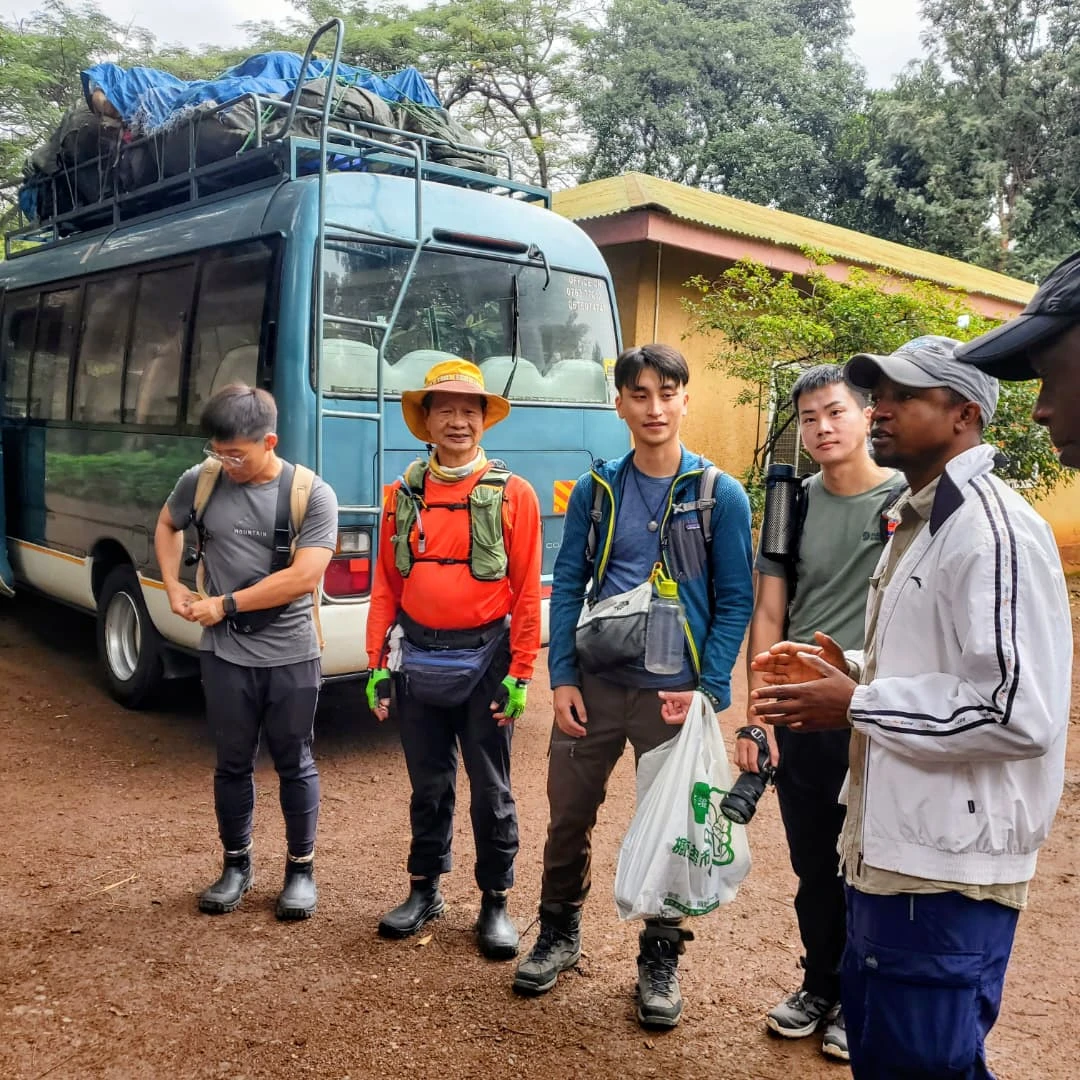
If you are traveling to Tanzania for your Kilimanjaro climb, we recommend arriving at least one day before your trek begins. This gives you enough time to rest after your flight, attend a pre-climb briefing, complete a gear check, and prepare for the adventure ahead. At Africa Safari Peak, we welcome our guests at Kilimanjaro International Airport (JRO) and provide a comfortable transfer to their hotel in Moshi. Before the climb, our experienced mountain team will meet with you to review the itinerary, inspect your equipment, and answer any questions to ensure you are fully prepared for the journey.

Day 1: Hotel to Machame Gate (1,800 m / 5,905 ft) – Machame Camp (2,835 m / 9,301 ft)

Elevation Gain: 1,035 m (3,396 ft)
Distance: 11 km (6.8 miles)
Hiking Time: 4–7 Hours
Habitat: Rainforest

Your adventure begins with excitement as our team picks you up from your hotel in Moshi after breakfast. Instead of heading straight to the mountain, we first drive to our office, where you will meet your mountain crew and receive a warm welcome from the Africa Safari Peak family. This is a great opportunity to get to know your guides, ask any last-minute questions, enjoy a cup of tea or coffee, and complete a final equipment check to make sure everything is ready for the climb ahead.

Once everyone is prepared, we begin the drive to Machame Gate, the starting point of one of Kilimanjaro's most scenic routes. After arriving at the gate, you will enjoy a freshly prepared lunch while our guides and office team complete the required registration with Kilimanjaro National Park (KINAPA). Before setting off, you will also have time to take photographs, explore the surroundings, and soak in the excitement as your Kilimanjaro adventure officially begins.

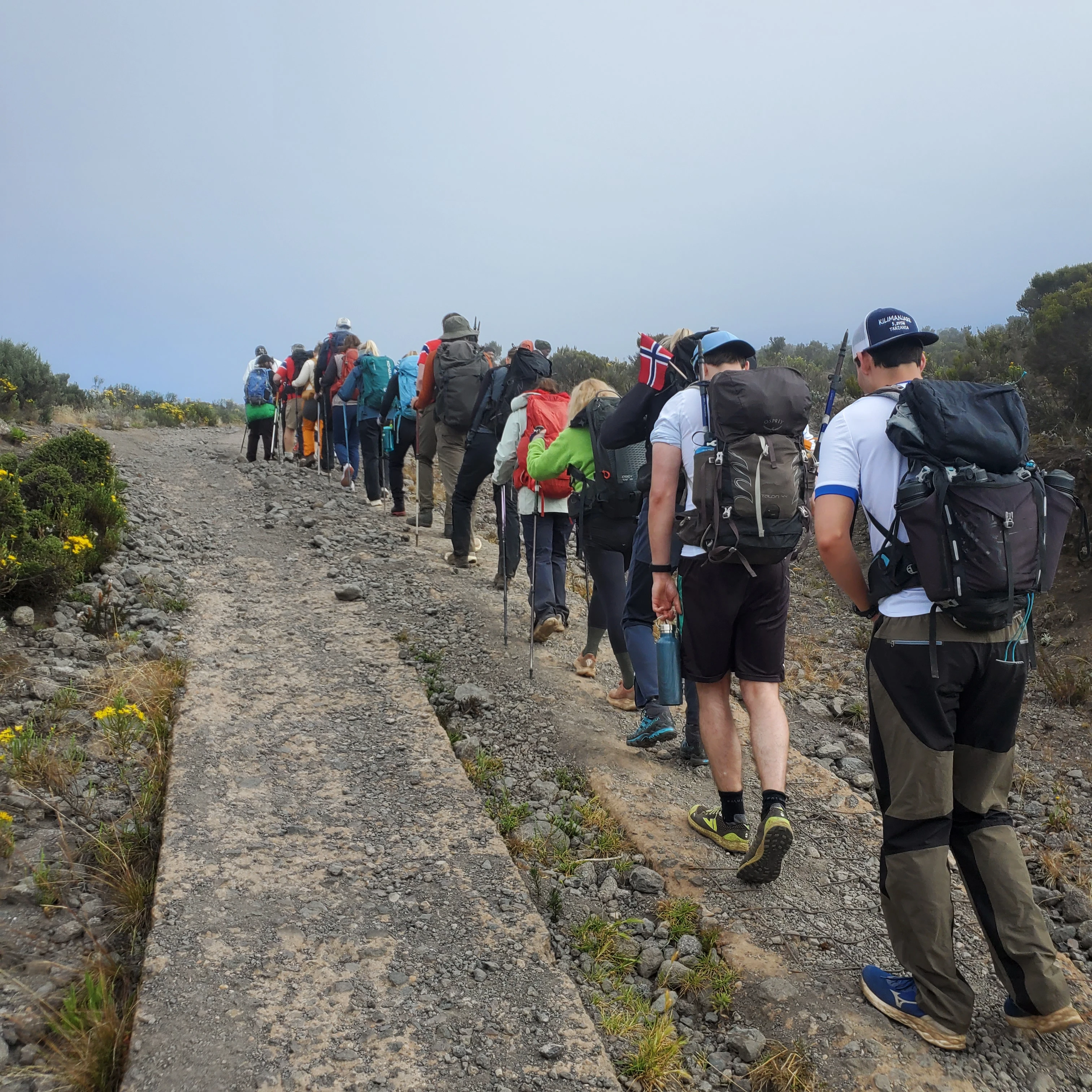
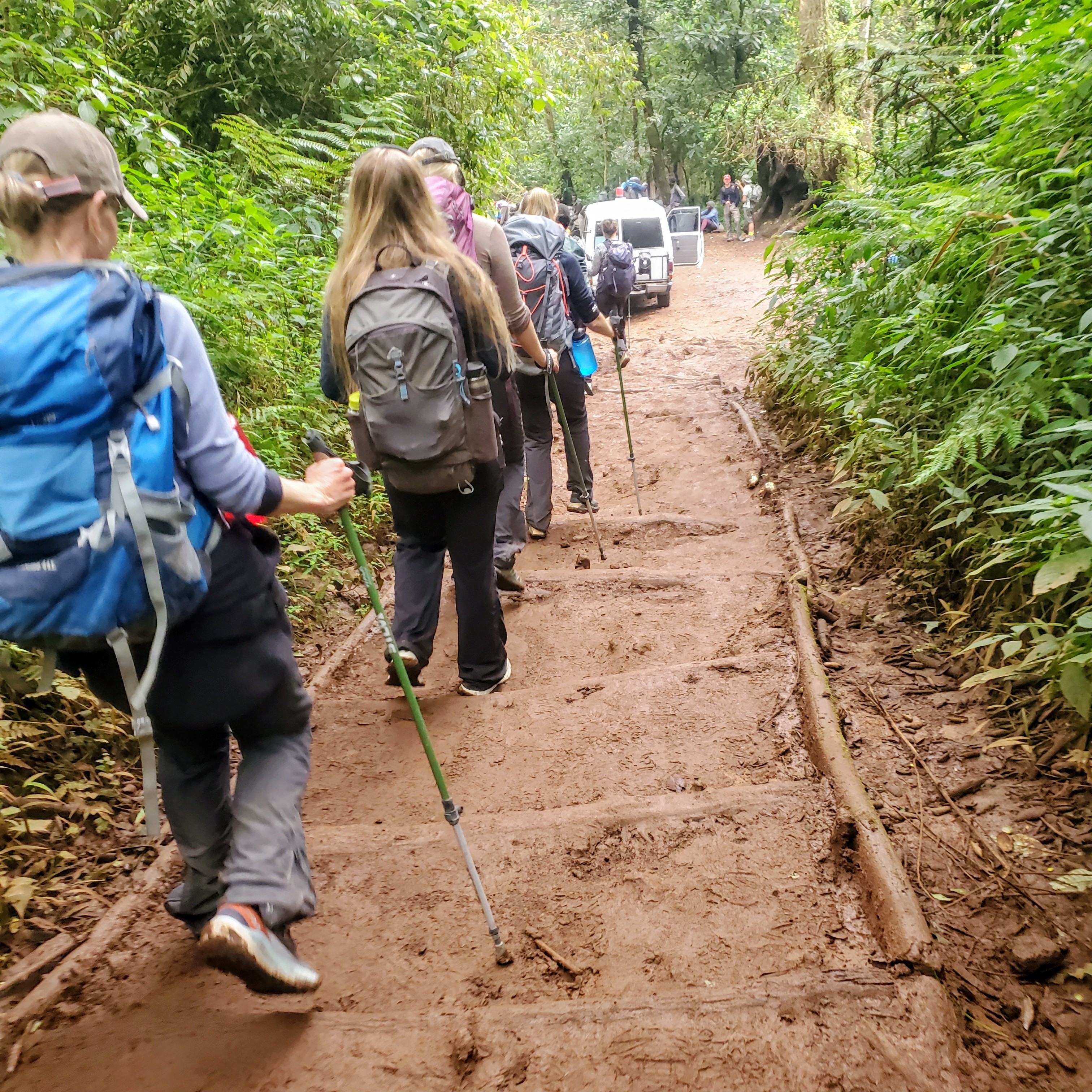
The trail starts beneath the dense canopy of the rainforest, where the air is cool, fresh, and rich with the sounds of nature. This section of the mountain is home to towering trees, giant ferns, colorful wildflowers, and a wide variety of birds. If you are lucky, you may even spot playful blue monkeys or the striking black-and-white colobus monkeys moving through the forest. The path can be muddy, especially during the rainy seasons, but the peaceful atmosphere and beautiful scenery make this one of the most enjoyable days of the entire trek.

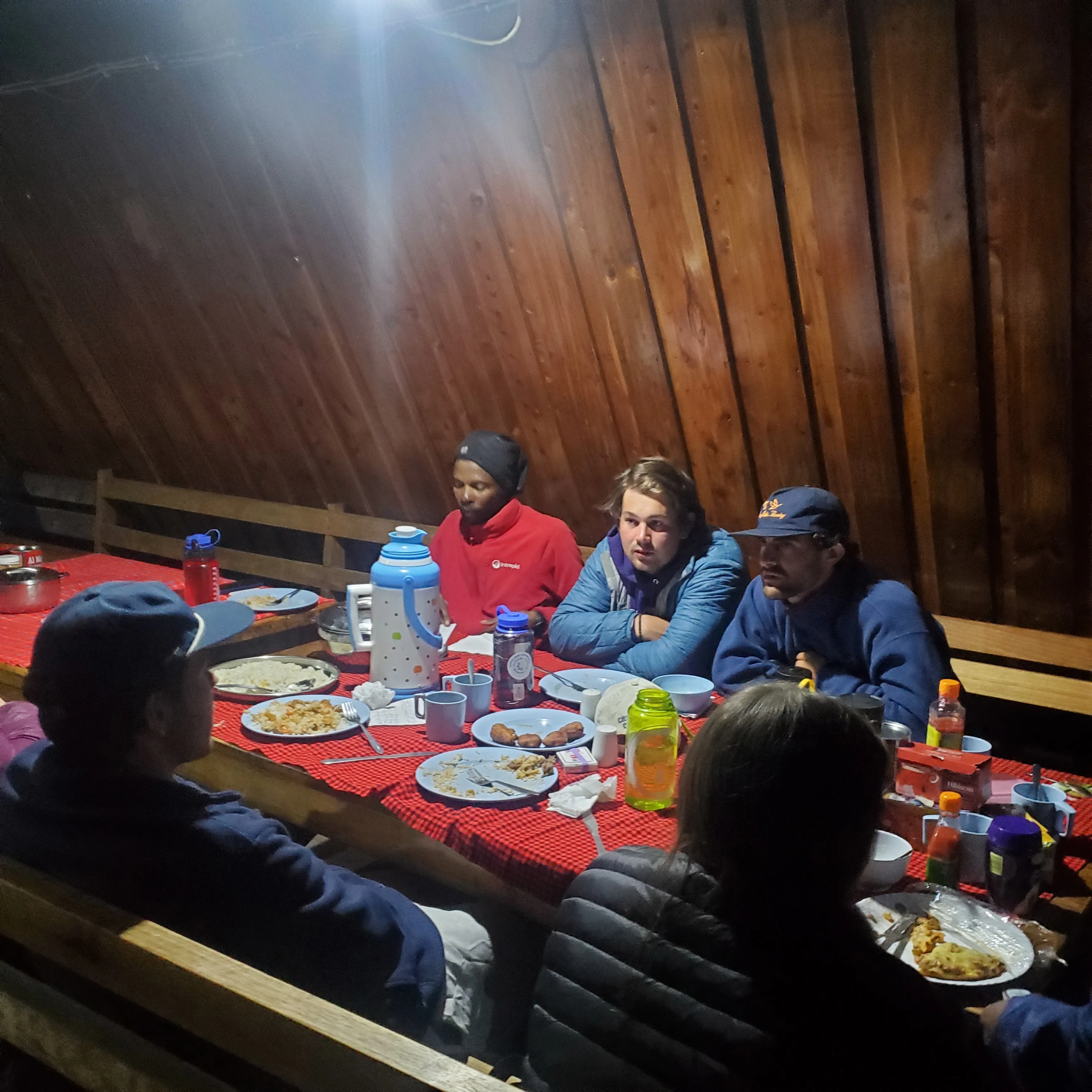
After approximately four to seven hours of hiking, you will arrive at Machame Camp, where our mountain crew will be waiting to welcome you with warm smiles and genuine hospitality. By the time you arrive, your tent will already be set up, allowing you to settle in and relax after the day's hike. You will be provided with warm water to freshen up before enjoying a delicious, freshly prepared dinner served by our mountain team.

Later in the evening, our lead guide will carry out a routine health check using a pulse oximeter to monitor your oxygen saturation and heart rate. This simple daily assessment helps us monitor how your body is responding to the altitude and allows our guides to identify any early signs of altitude-related illness. Before the day ends, your guide will also brief you on the next day's trek, including the expected weather, what clothing to wear, what essentials to keep in your daypack, and what to expect on the trail. After a rewarding first day on the mountain, you can relax, enjoy the peaceful surroundings of the rainforest, and get a good night's sleep as you prepare for the adventure ahead.


Day 2: Machame Camp (2,835 m / 9,301 ft) to Shira Cave Camp (3,750 m / 12,303 ft)

Elevation Gain: 915 m (3,002 ft)
Distance: 6 km (3.1 miles)
Hiking Time: 4–6 Hours
Habitat: Moorland

Your second day on Mount Kilimanjaro begins early in the morning with a friendly wake-up call from one of our mountain waiters. If you hear someone gently calling your name outside the tent, don't be surprised it's simply our team letting you know that it's time to start another exciting day on the mountain. Soon after, warm water will be brought to your tent so you can wash your face, brush your teeth, and freshen up before breakfast.

After packing your duffel bag and preparing your daypack, you will head to the dining tent where a freshly prepared breakfast is waiting for you. Our professional mountain chefs serve a nutritious meal to give you the energy needed for the day's hike. Depending on the day's menu, breakfast may include chapati, eggs, sausages, fresh fruit, porridge, toast, pancakes, tea, coffee, or hot chocolate, ensuring you begin the day feeling energized and ready for the trail ahead.

Leaving Machame Camp behind, the landscape gradually changes as you climb out of the rainforest and enter the beautiful moorland zone. The dense forest gives way to open hills covered with giant heathers, volcanic rocks, and unique alpine vegetation found only on high mountains. As the trail gains elevation, the trees slowly disappear, revealing wider views of the surrounding valleys and distant mountain ridges.

This is also the day when Mount Kilimanjaro truly begins to reveal its beauty. As the weather clears, you will enjoy your first clear views of Kibo Peak, the highest volcanic cone on the mountain and home to Uhuru Peak, your final destination. The scenery becomes more dramatic with every step, offering countless opportunities to stop, admire the landscape, and capture memorable photographs along the way.

After reaching Shira Cave Camp, you will have time to relax and celebrate another successful day on the mountain. If you would like to take photos around the camp, this is one of the best places to do so, with spectacular views stretching across the Shira Plateau. Our team will welcome you with hot drinks, followed by a freshly prepared lunch, giving you time to rest and regain your energy.

Later in the afternoon, climbers who feel well and are encouraged by their guide may take part in a short acclimatization hike of approximately 1 kilometer to Shira Cave before returning to camp. This gentle walk helps your body continue adapting to the altitude while allowing you to enjoy even more impressive views of the mountain.

Back at camp, a delicious dinner will be served before your lead guide conducts the evening briefing. During this session, guide will take time to check your health and you will learn about the next day's trek, expected weather conditions, what clothing to wear, and which essential items to carry in your daypack. After another rewarding day on Kilimanjaro, you can settle into your tent for a well-earned night's rest, ready for the adventure that awaits tomorrow.


Day 3: Shira Cave Camp (3,750 m / 12,303 ft) to Lava Tower (4,630 m / 15,190 ft) to Barranco Camp (3,976 m / 13,044 ft)

Elevation Gain: 880 m (2,887 ft)
Elevation Loss: 654 m (2,146 ft)
Distance: 10 km (6.2 miles)
Hiking Time: 6–8 Hours
Habitat: Alpine Desert

After another restful night on the mountain, your day begins with a warm breakfast prepared by our mountain chefs before you set off for one of the most important days of the Machame Route. Today's trek is not only about covering distance it is designed to help your body become more comfortable at higher elevations before descending to sleep at a lower altitude.

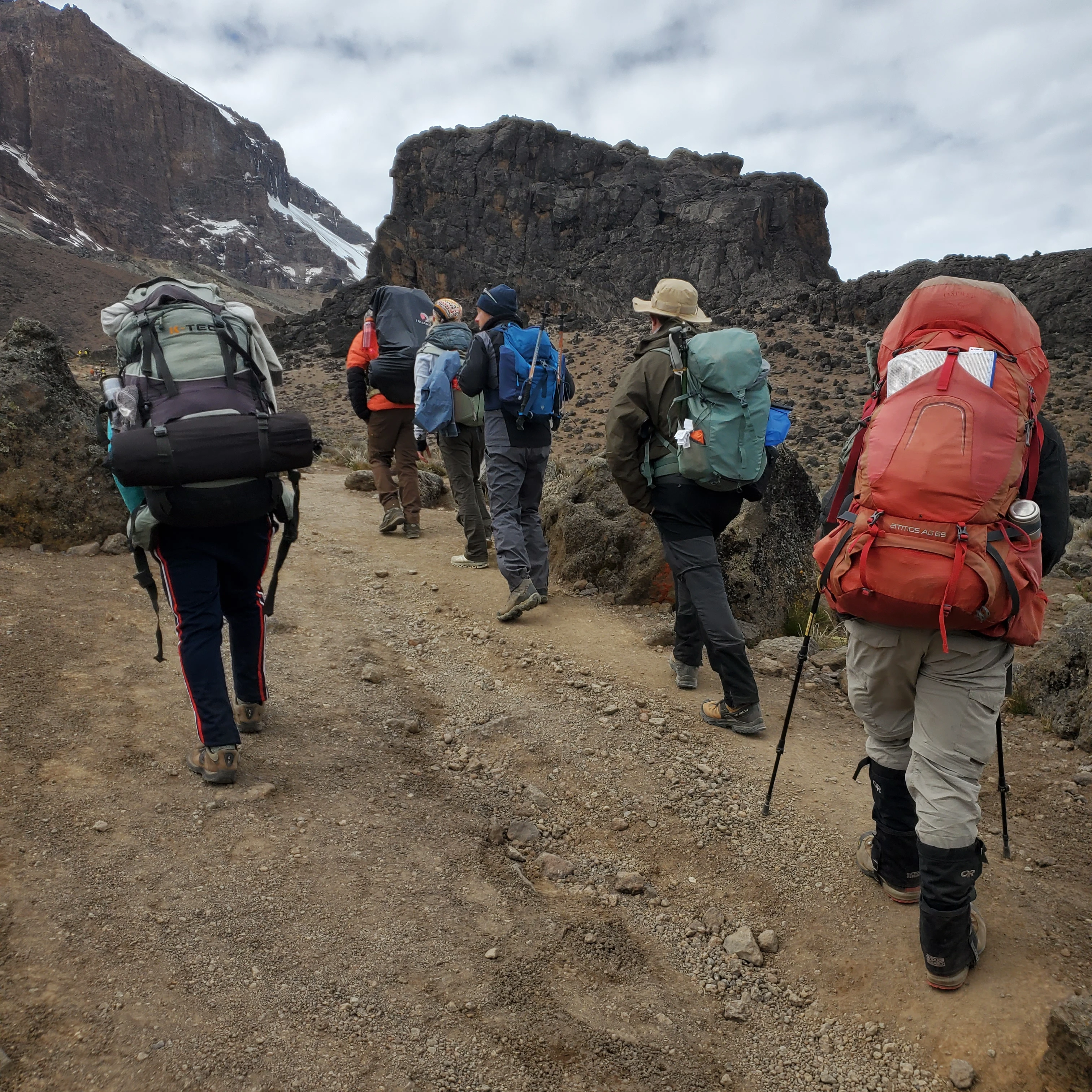
Leaving Shira Cave Camp, the trail gradually climbs through the rugged alpine desert. The landscape becomes quieter and more dramatic, with volcanic rocks, wide-open mountain views, and very little vegetation. As you gain altitude, you will notice the air becoming cooler and thinner, making it even more important to maintain a slow, steady pace while following your guide's instructions.

The main destination of the day is Lava Tower, a striking volcanic rock formation standing at approximately 4,630 meters (15,190 feet) above sea level. Reaching this elevation is an important part of the acclimatization process, allowing your body to experience the higher altitude before descending to sleep at Barranco Camp. This "climb high, sleep low" strategy is one of the reasons the Machame Route has such a strong summit success rate.

Lunch on this day is more flexible than on the previous days and will be planned together with your guide based on your hiking pace and the day's progress. You may choose to enjoy a freshly prepared hot lunch at Lava Tower before descending to Barranco Camp, or continue with a packed lunch and have your main hot meal after arriving at Barranco Camp.

In most cases, climbers hiking in groups of three or more, or those moving at a slower pace, usually have lunch at Lava Tower, as they naturally reach the area around midday. Climbers with a faster pace often carry a packed lunch, giving them enough time to reach Barranco Camp earlier, where a freshly prepared hot meal will be waiting. Whichever option suits your pace, our guides will help you choose the best plan to keep your climb comfortable while ensuring you benefit from the day's important acclimatization experience.

After spending time at Lava Tower, the trail descends steadily into the beautiful Barranco Valley. As you lose elevation, breathing often becomes more comfortable, and the scenery changes once again. The route passes through impressive volcanic landscapes before reaching the famous giant groundsels and senecio plants that surround Barranco Camp, creating one of the most scenic campsites on Mount Kilimanjaro.

Upon arrival at camp, our team will welcome you and show you to your tent, where warm water will be provided so you can freshen up and relax after the day's trek. Later in the evening, a delicious dinner will be served before your lead guide holds the nightly briefing, explaining the next day's adventure, the famous Barranco Wall, the expected weather conditions, and everything you need to prepare for another exciting day on Africa's highest mountain.


Day 4: Barranco Camp (3,976 m / 13,044 ft) to Karanga Camp (3,995 m / 13,106 ft)

Elevation Gain: 19 m (62 ft)
Distance: 5 km (3.1 miles)
Hiking Time: 4–5 Hours
Habitat: Alpine Desert

Your day begins early with another delicious breakfast prepared by our mountain chefs before you leave Barranco Camp at around 7:00 to 8:00 a.m. Today's trek is shorter than the previous day, but it includes one of the most exciting highlights of the entire Machame Route, the famous Barranco Wall.

As you approach the wall, it may look steep and intimidating from below, but there is no need to worry. With the guidance of our experienced mountain guides, you will climb it one careful step at a time. No technical climbing skills or special equipment are required. Your guide will always be nearby, showing you the best route and offering assistance whenever needed, allowing you to enjoy the experience with confidence.

One of the most memorable points along the climb is the famous Kissing Rock, a narrow section where you naturally move close to the rock face as you make your way past. It is one of the best-known landmarks on the Barranco Wall and a favorite place for climbers to capture memorable photos while enjoying spectacular views of the mountain.

As you continue higher, the scenery becomes even more impressive. The summit of Kibo Peak appears much closer, giving you one of the clearest views of the highest point on Mount Kilimanjaro so far. The surrounding valleys, dramatic cliffs, and rugged volcanic landscape provide countless opportunities to stop, catch your breath, and take some incredible photographs.

After completing the Barranco Wall, the trail becomes gentler as you continue toward Karanga Camp. Upon arrival, our mountain crew will already have lunch prepared for you. After enjoying a well-deserved meal, you will have time to relax and recover before the evening. Karanga Camp is also one of the places where you may be able to access a mobile network, giving you the opportunity to briefly connect with family and friends if you wish.

Later in the afternoon, the camp comes alive as our mountain crew often gathers for a fun and energetic warm-up, singing traditional mountain songs and celebrating another successful day on Kilimanjaro. It is a wonderful opportunity to share laughter, learn a little about Tanzanian mountain culture, and create unforgettable memories with the team supporting your climb.

As the evening approaches, you will enjoy another freshly prepared dinner before joining your lead guide for the daily briefing. During the briefing, you will learn about the next stage of the trek to Barafu Camp, receive advice on what to wear, what to pack in your daypack, and how to prepare for the most important part of your adventure.


Day 5: Karanga Camp (3,995 m / 13,106 ft) to Barafu Camp (4,673 m / 15,331 ft)

Elevation Gain: 678 m (2,224 ft)
Distance: 4 km (2.5 miles)
Hiking Time: 3–4 Hours
Habitat: Alpine Desert

As usual, your day begins with a freshly prepared breakfast before leaving Karanga Camp. Since today's hiking distance is relatively short, there is no need for an early start. Most climbers leave camp between 8:30 and 9:00 a.m., giving you a relaxed morning before continuing toward Barafu Camp, the final base camp before your summit attempt.

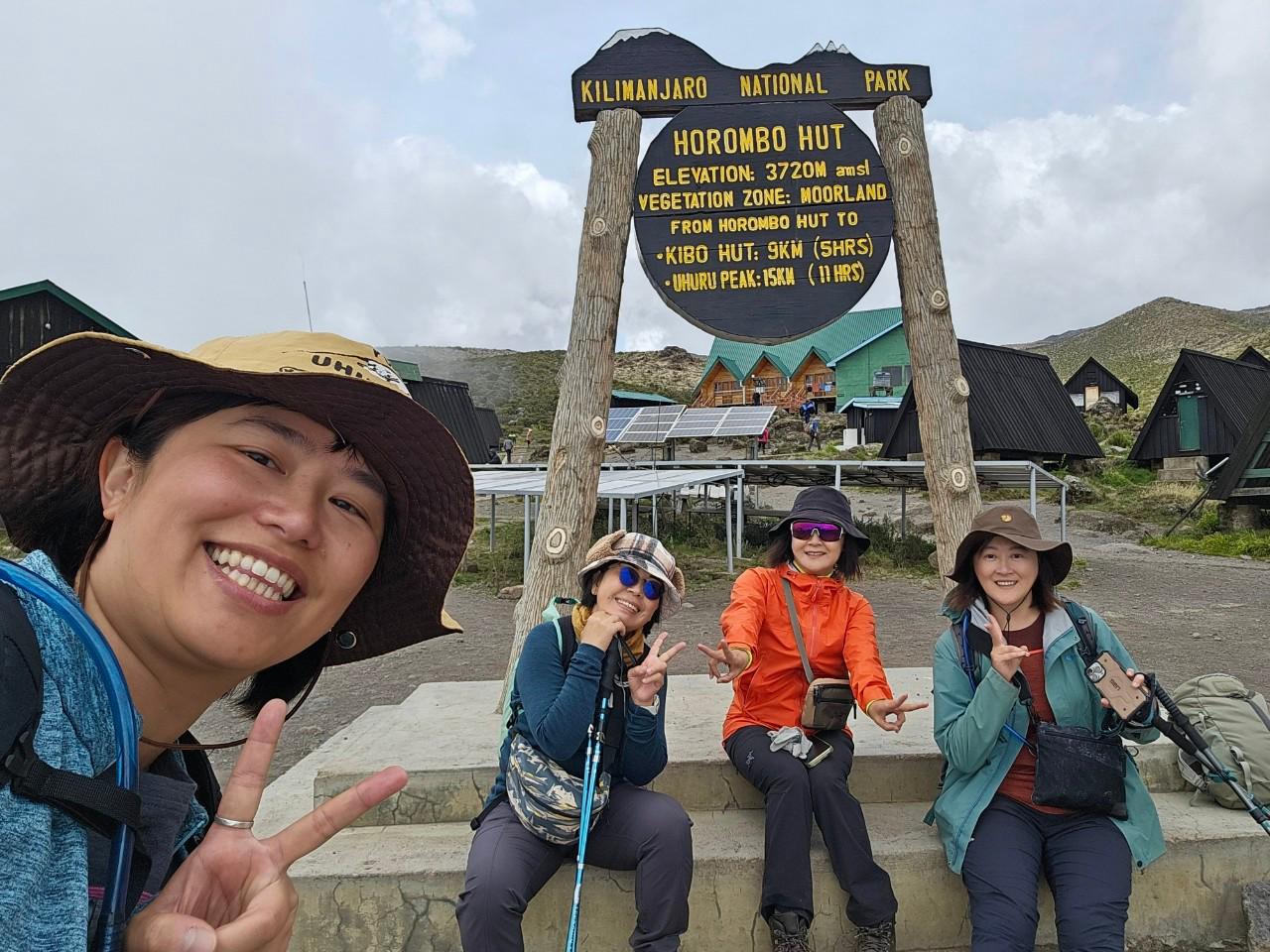
The trail climbs steadily through the alpine desert, where the landscape becomes even more rugged and rocky. Vegetation is now almost nonexistent, replaced by dramatic volcanic terrain and breathtaking mountain views. Along the way, you will enjoy some of the best views of Mawenzi Peak, Kilimanjaro's second-highest volcanic cone, standing proudly against the African sky. As you continue climbing, the summit of Kibo Peak also feels much closer, reminding you that you are only one camp away from the highest point in Africa.

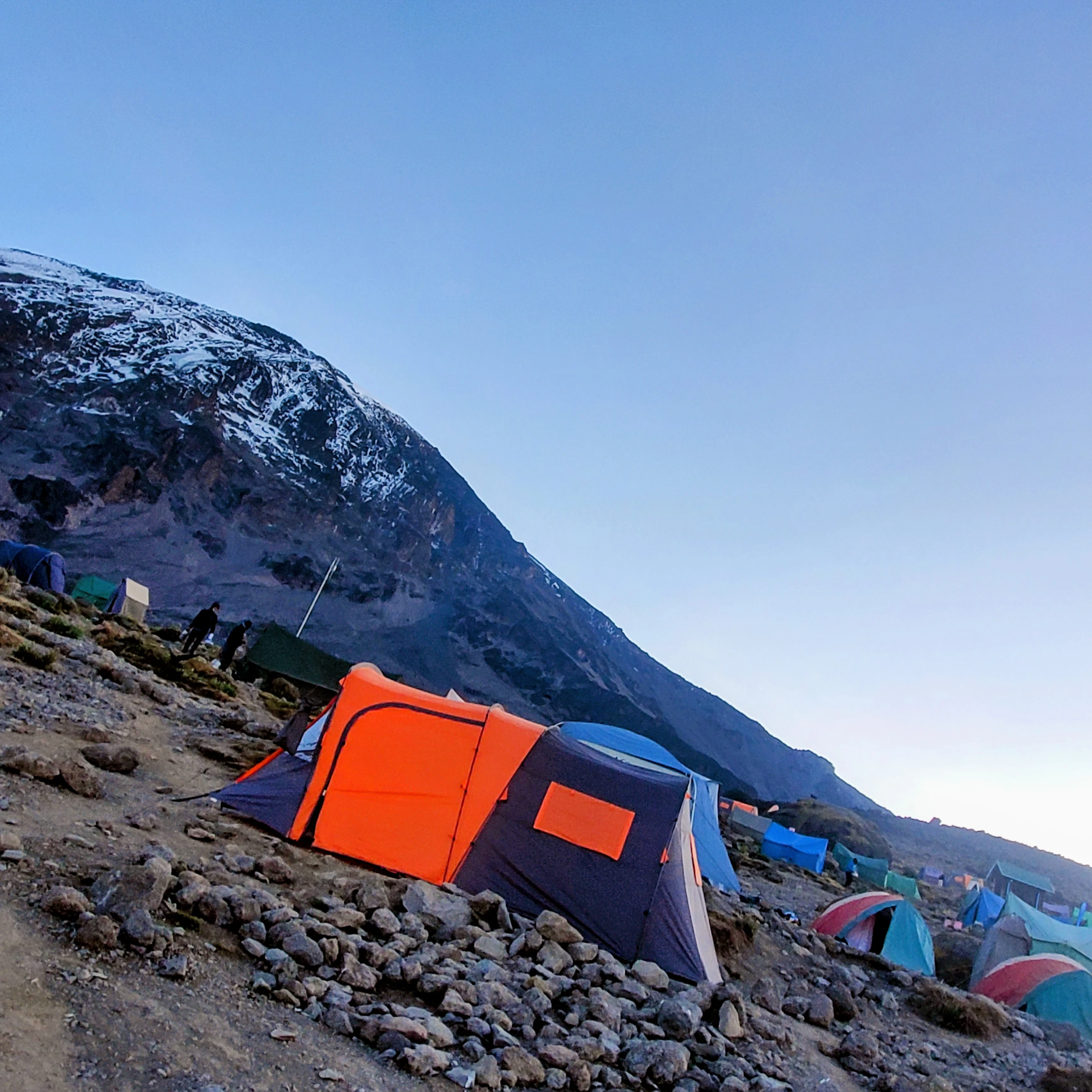
After arriving at Barafu Camp, our mountain crew will already have your tent prepared and a freshly cooked lunch waiting for you. This is not a day for long walks or extra activities. Instead, you will spend the afternoon resting, drinking plenty of water, and allowing your body to recover before the night's summit climb. Many climbers choose to sleep for a few hours, as the summit attempt begins around midnight.

Later in the evening, you will wake up for an early dinner before meeting your lead guide for one of the most important briefings of the entire expedition. During this session, your guide will explain every stage of the summit climb, including the route, expected weather conditions, the clothing you should wear, the essential items to carry in your daypack, and how to manage your energy throughout the night.

This briefing is extremely important, so listen carefully to your guides and don't hesitate to ask questions if anything is unclear. They have successfully guided climbers from all over the world to Uhuru Peak, and their experience will help you approach the summit safely and confidently. After the briefing, you will return to your tent for a few hours of rest before your alarm sounds and the final climb to the Roof of Africa begins.


Day 6: Barafu Camp (4,673 m / 15,331 ft) to Uhuru Peak (5,895 m / 19,341 ft) – Descend to Mweka Camp (3,100 m / 10,170 ft) or Millennium Camp (3,820 m / 12,533 ft)

Elevation Gain: 1,222 m (4,009 ft)
Elevation Loss: Up to 2,795 m (9,171 ft)
Distance: Approximately 16 km (10 miles)
Hiking Time: 10–15 Hours
Habitat: Arctic Zone / Alpine Desert / Montane Forest

At around 11:30 p.m. to midnight, you will hear a gentle knock on your tent our mountain waiters wakes you up at the agreed time. Although it may feel like you have only just fallen asleep, this is the moment you have been preparing for throughout your Kilimanjaro adventure. After putting on your warm summit clothing and completing a final gear check with your guide, you will head to the dining tent for a light meal before beginning your climb to Uhuru Peak.

Before leaving your tent, you will dress in warm layers to protect yourself from the freezing temperatures on the upper mountain. Your guide will make sure you are properly equipped with essential summit gear, including an insulated jacket, thermal base layers, hiking trousers, gloves, a warm hat, a headlamp with spare batteries, sunglasses, and sturdy hiking boots. Dressing correctly is one of the keys to staying comfortable throughout the night.

Before heading to the dining tent, our guide will also remind you to pack everything you may need for the summit. Depending on your personal preference, you may carry important items such as your passport, some cash, bank cards, your mobile phone, a power bank, personal medication, and any other small essentials you would like to have with you. Any belongings you do not need can safely remain at camp until you return.

A light breakfast will be prepared before departure. Most climbers prefer something easy to digest, such as popcorn, biscuits, tea, coffee, or hot chocolate, although our team will always do its best to prepare what was discussed during the evening briefing. Before you leave, your guide will remind you to drink plenty of water and keep your body warm. If you would like ginger tea for the summit climb, our team can prepare and carry it for you, providing a comforting warm drink during one of the coldest parts of the expedition.

Shortly after midnight, you will begin your climb toward Uhuru Peak. The pace is slow and steady because every step matters at this altitude. You will hear your guide gently encouraging you with one of the most important Kilimanjaro reminders: "Pole Pole"—slowly, slowly. Taking your time, staying hydrated, and following your guide's pace will help conserve your energy for the final ascent.

As dawn approaches, you will reach Stella Point (5,756 m / 18,885 ft), where many climbers stop briefly to rest, take photographs, and watch the first rays of sunlight illuminate the glaciers and surrounding landscape. From here, the trail becomes gentler, and after approximately 40 minutes to one hour, you will arrive at Uhuru Peak (5,895 m / 19,341 ft), the highest point in Africa. Standing beside the famous summit sign is the moment every climber has been working toward since leaving Machame Gate.

After celebrating your achievement and taking photographs, you will begin the descent back to Barafu Camp, where a well-deserved meal will be waiting for you. Following lunch, you will have a short rest of about one to two hours before continuing your descent to your overnight camp.

Depending on your itinerary and your guide's recommendation, you will spend the night at either Millennium Camp or Mweka Camp. In most cases, Mweka Camp is the recommended option, as descending farther allows you to sleep at a much lower altitude, making the recovery process more comfortable after the demanding summit climb. Once you arrive, our team will welcome you with an early dinner before you settle into your tent for what is often the most satisfying night's sleep of the entire expedition.


Day 7: Millennium Camp 3,820 m/Mweka Camp (3,100 m ft) to Mweka Gate (1,640 m

Elevation Loss: 1,460 m (4,790 ft)
Distance: 10/14 km (6.2 miles)
Descending Time: 3–8 Hours
Habitat:
Alpine Desert/Montane Forest

Your final day on Mount Kilimanjaro begins with a completely different feeling. After the incredible challenge of summit day, you'll wake up knowing the hardest part of your adventure is behind you. Although your legs may still feel tired from the long climb to Uhuru Peak, most climbers also notice something else—they feel stronger, breathe more easily, and can finally enjoy the mountain without worrying about altitude.

Your mountain waiter will bring warm water so you can freshen up before enjoying one last breakfast on the mountain with your climbing team. As always, our cook will prepare a nutritious meal to give you enough energy for the descent. While breakfast is filled with smiles and laughter, it's also a time to reflect on everything you've achieved over the past several days.

Once you're ready, you'll begin the final hike down through Kilimanjaro's beautiful rainforest. Unlike the previous days, this section of the trail is all downhill, making it a comfortable and enjoyable walk. There are no steep mountain climbs left to conquer, only the peaceful journey back to the gate. As you descend, the landscape changes dramatically. The rocky alpine terrain slowly disappears, replaced by lush green forest filled with giant trees, colorful plants, moss-covered branches, and fresh mountain air.

Keep your camera ready because this part of the mountain is home to a variety of wildlife. If you're lucky, you may spot blue monkeys, black-and-white colobus monkeys, colorful birds, and other animals that thrive in Kilimanjaro National Park. After days spent above the clouds, walking through the rainforest feels like entering a completely different world.

When you finally arrive at Mweka Gate, it's time to celebrate your incredible achievement. Your guides will assist you with the final park registration before you receive your official Mount Kilimanjaro summit certificate, a well-earned reward that recognizes your successful climb to Africa's highest peak. This is the perfect moment to take photographs with your mountain crew, celebrate together, and relive some of the unforgettable memories from the journey.

From the gate, our driver will be waiting to take you back to our office, where the celebration continues. Your mountain crew will welcome you with traditional songs and dancing to congratulate you on your achievement. It's a joyful and emotional moment, as you've shared unforgettable days together on the mountain and formed friendships that will always be part of your Kilimanjaro story.

This is also the appropriate time to thank your guides, porters, cook, and waiter by presenting their tips. Tipping is an important tradition on Mount Kilimanjaro and a meaningful way to show appreciation for the dedication, hard work, and care they provided throughout your climb.

After saying goodbye to your mountain family, you'll be transferred back to your hotel for a well-deserved hot shower, a comfortable bed, and one final relaxing night before your departure. If your adventure in Tanzania isn't over yet, you can also extend your journey by exploring some of the country's incredible attractions. Many climbers choose to visit Materuni Waterfalls, relax in the crystal-clear Chemka Hot Springs, enjoy an unforgettable wildlife safari in Tanzania's famous national parks, or fly to the beautiful beaches of Zanzibar for a few days of rest after conquering the Roof of Africa.

Although your climb has come to an end, the memories of standing on Uhuru Peak, the friendships made along the trail, and the spirit of Kilimanjaro will stay with you for a lifetime. Once you've climbed Africa's highest mountain, a part of your heart will always remain on Kilimanjaro.

What Is the Difference Between the 6-Day and 7-Day Machame Route Itinerary?

At first glance, the 6-day and 7-day Machame Route itineraries look almost identical. You will follow the same trail, pass through the same camps, and reach the same destination—Uhuru Peak. The only difference is how the section between Barranco Camp, Karanga Camp, and Barafu Camp is scheduled.

If you look at the 7-day itinerary, Day 4 is:

Day 4: Barranco Camp → Karanga Camp

On this day, you will climb the famous Barranco Wall before continuing across beautiful alpine valleys to Karanga Camp. Once you arrive, you will have enough time to relax, enjoy dinner, and spend the night at approximately 3,995 meters. The following morning, you will continue to Barafu Camp.

Now compare that with the 6-day itinerary.

Day 4: Barranco Camp → Karanga Camp → Barafu Camp

Your day begins exactly the same way. You will climb the Barranco Wall and continue hiking to Karanga Camp. When you arrive at Karanga Camp, you will stop for lunch, refill your water bottles, and take a short break before continuing your trek.

Instead of spending the night at Karanga Camp, you will continue for approximately 4 kilometers (2.5 miles) to Barafu Camp. This section usually takes around 3 to 4 hours through the rocky alpine desert.

Once you arrive at Barafu Camp, you will receive dinner, prepare your summit gear, organize your warm clothing, check your headlamp and trekking equipment, and get a few hours of rest before your summit push begins around midnight.

In short, I can say that the only difference is that the 6-day itinerary does not include an overnight stay at Karanga Camp. You still hike through Karanga Camp, have lunch there, and take a short rest, but instead of sleeping there, you continue directly to Barafu Camp on the same afternoon.

To make it even easier to understand, compare the two itineraries below:

7-Day Itinerary

Day 4: Barranco Camp → Karanga Camp (Overnight)

Day 5: Karanga Camp → Barafu Camp

6-Day Itinerary

Day 4: Barranco Camp → Karanga Camp (Lunch & Short Rest) → Barafu Camp (Dinner & Overnight)

After you reach Barafu Camp, both itineraries become exactly the same. You will have dinner, make your final preparations, rest for a few hours, and wake up around midnight to begin your summit ascent to Uhuru Peak.

Note:Whether you choose the 6-day or 7-day Machame Route itinerary, you will follow exactly the same trail from start to finish. The only difference is one day on the mountain. On the 7-day itinerary, you will spend the night at Karanga Camp before continuing to Barafu Camp the next day. On the 6-day itinerary, you will stop at Karanga Camp for lunch and a short rest, then continue directly to Barafu Camp.
Summit Day Experience on the Machame Route

Summit night is the most demanding stage of your Machame Route adventure and the moment you have been preparing for since the first day of your climb. After spending the evening at Barafu Camp, you will have an early dinner and get a few hours of rest before your summit attempt begins around midnight.

Before you wake up, your mountain team will already be preparing everything for your final ascent. Your waiter will bring you warm water and stay hydrated before leaving camp. After putting on your summit clothing, you will enjoy a light breakfast, usually including tea, popcorn, biscuits, fruit, or other easy-to-digest snacks prepared by our mountain chef. Before you leave Barafu Camp, our guide will check your equipment to make sure you have everything you need for a safe and comfortable summit climb.

Your Departure Time Is Planned by Your Guide

One of the advantages of climbing with our experienced mountain guides is that your summit departure time is not chosen randomly. Throughout your climb, your guide carefully observes your walking pace, energy level, breathing, and how well your body adapts to the altitude. Based on this experience, your guide will calculate the best time for you to leave Barafu Camp.

If you naturally walk at a faster pace, you may leave a little later. If your pace is slower, your guide may recommend an earlier departure so you have enough time to reach Uhuru Peak comfortably. This personalized approach helps you avoid unnecessary waiting in the freezing cold while giving you the best possible summit experience.

Walk at Your Own Pace

As soon as you leave Barafu Camp, you will notice that summit night is completely different from the previous hiking days. The trail becomes steeper, the air contains less oxygen, and temperatures are much colder.

This is not the time to compete with other hikers. Everyone walks at a different pace, and the only pace that matters is your pace. Follow your guide's rhythm, walk Pole Pole (slowly, slowly), and focus on taking one step at a time. Trying to keep up with someone walking faster can quickly drain your energy and make the climb much more difficult.

Stay Hydrated and Keep Your Energy Up

Although the temperatures are very low, your body continues to lose fluids during the climb. Keep drinking water regularly, even if you don't feel thirsty. Your guide may also encourage you to eat small snacks along the way to maintain your energy during the ascent.

Dress for the Cold

Summit night is usually the coldest part of your entire Kilimanjaro climb. Wear proper layers, including thermal clothing, an insulated jacket, gloves, a warm hat, and suitable hiking boots. Once the sun rises, put on your sunglasses to protect your eyes from the strong sunlight and reflections from snow and ice.

Trust Your Guide

Your safety is always our highest priority. Our licensed and highly experienced mountain guides have successfully led climbers from all over the world to Uhuru Peak and know how to respond to every situation on the mountain.

Throughout the climb, your guide will continue checking how you are feeling, monitoring your condition, encouraging you during the most challenging sections, and making sure you maintain a comfortable and safe pace. If you feel tired, dizzy, cold, or unwell at any point, simply let your guide know immediately so you can receive the support you need.

With the right preparation, the support of our professional mountain team, and a positive mindset, every step brings you closer to standing on the highest point in Africa. Watching the sunrise from Uhuru Peak after hiking through the darkness is a reward that makes every step of summit night worthwhile.

What to Pack for Summit Night

Before leaving Barafu Camp, make sure your daypack contains everything you may need during your summit ascent. Carry enough drinking water, energy snacks, sunglasses, your phone or camera, a fully charged power bank, and any personal medication you may need.

If you are carrying important personal items such as your passport, visa, bank cards, cash, or travel documents, keep them in a waterproof zip bag inside your daypack to protect them from moisture and changing weather conditions. Before leaving camp, double-check that your headlamp is working properly and that you have spare batteries, as you will spend several hours hiking in complete darkness.

Keeping your daypack light and well organized will make your summit climb more comfortable and help you conserve energy on your way to Uhuru Peak.

Accommodation on the Machame Route

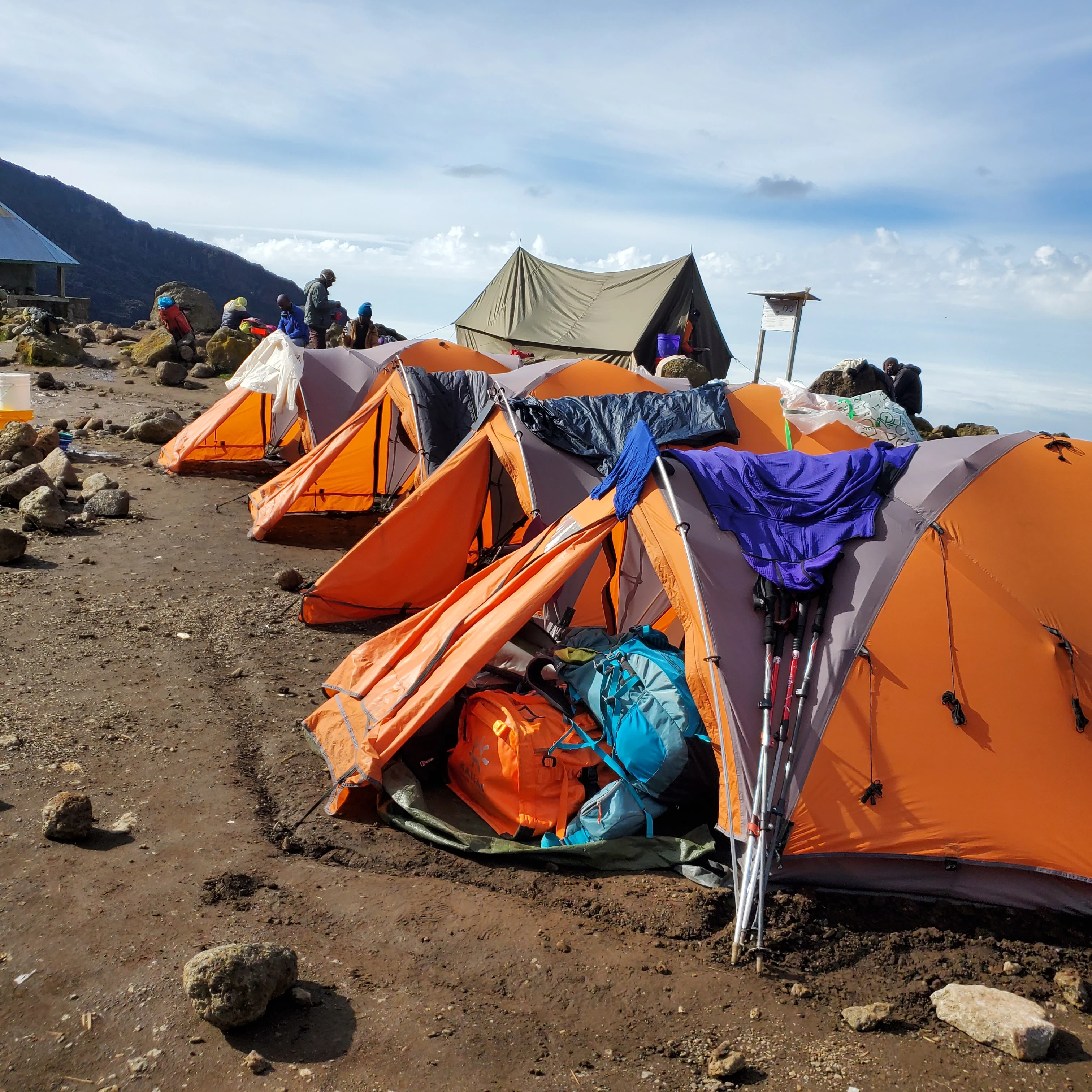
The Machame Route is one of the camping routes on Mount Kilimanjaro, offering a true wilderness experience from the moment you leave Machame Gate until you reach the summit. Instead of sleeping in mountain huts, you will spend each night in well-organized camps surrounded by some of the most spectacular landscapes on the mountain, from lush rainforest and giant heather moorlands to alpine desert and the glaciers near Uhuru Peak.

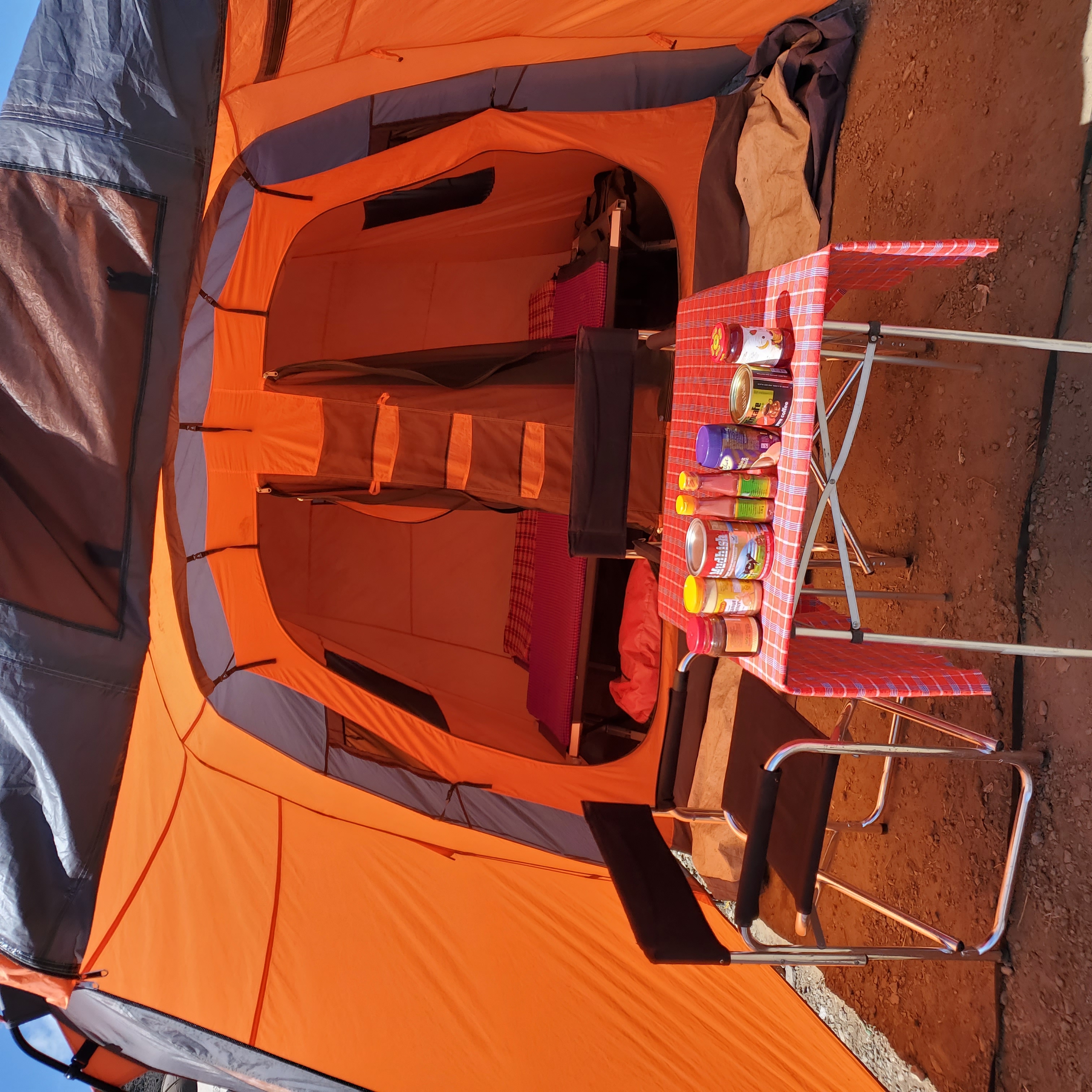
As your trekking day comes to an end, there is nothing you need to worry about. Our professional mountain crew will arrive at camp ahead of you and have everything prepared before you get there. Your spacious, high-quality mountain tent will already be pitched and ready for you to rest. Inside the dining tent, a freshly prepared hot meal and hot drinks will be waiting, giving you the perfect opportunity to relax, eat well, and prepare for the next day's adventure.

Every campsite along the Machame Route is carefully organized to provide a safe and comfortable environment at high altitude. Our team takes care of setting up and packing down your tents each day, so you can focus entirely on enjoying your climb. We provide durable, weather-resistant mountain tents designed to keep you comfortable throughout your journey, even in changing mountain conditions.

Although the Machame Route is a camping adventure, your trip begins and ends with the comfort of a hotel. Before your climb, you will spend one night at a hotel where you can relax after your journey, meet your mountain guide, receive a detailed climb briefing, and complete your equipment check. After successfully completing your Kilimanjaro adventure, you will return to your hotel for another well-deserved night's rest before your departure or the start of your next adventure in Tanzania.

The hotel you stay in before and after your climb depends on the comfort level you choose when booking your Kilimanjaro adventure. Whether you select a Standard, Mid-range, or Luxury package, we will provide comfortable accommodation to match your chosen travel style.


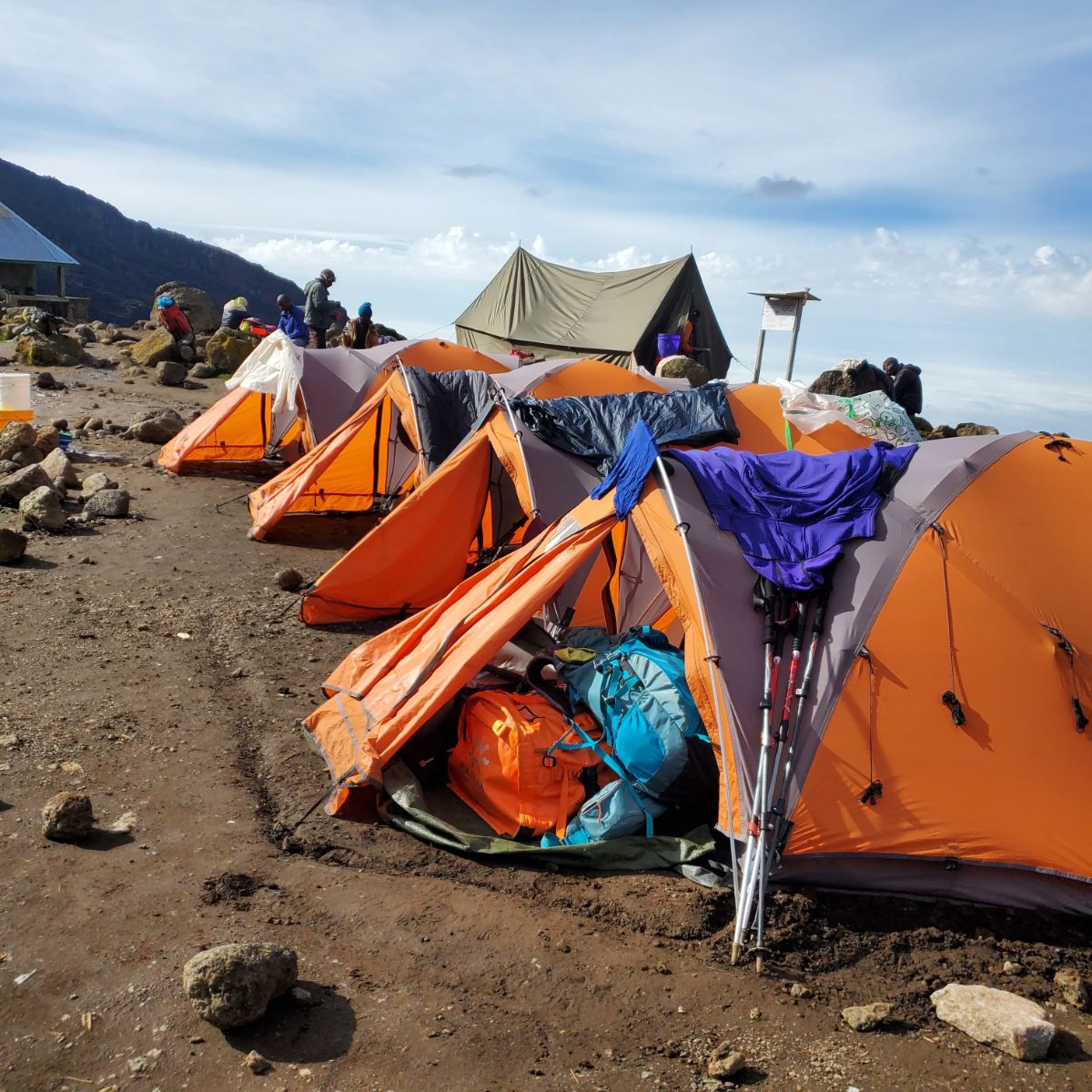
Clients tents at Barranco camp on Machame Route
Clients's tents at Barranco camp on Machame Route


Scenery Along the Machame Route.

One of the reasons the Machame Route is considered one of the most beautiful routes on Mount Kilimanjaro is the incredible variety of landscapes you experience along the way. Almost every day brings a completely different environment, making the journey feel like several adventures in one climb. From dense rainforest filled with wildlife to rocky alpine deserts and the snow-covered summit of Uhuru Peak, every stage offers something unique.

Your adventure begins in the lush montane rainforest, where tall trees covered with moss, giant ferns, colorful wildflowers, and fresh mountain air create a peaceful atmosphere. As you hike beneath the forest canopy, you may spot black-and-white colobus monkeys, blue monkeys, and a variety of bird species that call this forest home. This is the greenest and most vibrant section of the entire climb.

As you continue higher, the dense rainforest gradually opens into the heather and moorland zone. Here, the scenery changes dramatically. Giant heather plants, unique high-altitude vegetation, volcanic rocks, and wide-open mountain views begin to replace the thick forest. On clear days, you will enjoy your first breathtaking views of Kibo Peak and the surrounding valleys.

One of the highlights of the Machame Route is crossing the spectacular Shira Plateau, one of the largest high-altitude plateaus in the world. This ancient volcanic landscape offers panoramic views in every direction, with endless open skies and dramatic scenery that make you feel as though you are walking above the clouds.

As your journey continues toward Lava Tower, the landscape becomes even more dramatic. Massive volcanic rock formations, rugged trails, and the thin mountain air remind you that you are entering a truly alpine environment. This section provides some of the most striking geological scenery on Mount Kilimanjaro and is also an important part of your acclimatization journey.

The next day brings one of the most famous landmarks on the mountain, the impressive Barranco Wall. Although it may look intimidating from below, climbing the wall is one of the most exciting experiences of the Machame Route. Once you reach the top, you will be rewarded with incredible views over the Barranco Valley, glaciers high above, and the rugged southern slopes of Kilimanjaro. It is also one of the most photographed locations on the entire mountain.

Beyond Barranco, you will pass through the beautiful Karanga Valley, where the landscape blends rocky terrain with pockets of unique alpine vegetation. As you continue climbing, the environment gradually changes into the alpine desert, where the air becomes cooler, vegetation almost disappears, and the scenery is dominated by volcanic rock, dust, and vast open spaces stretching toward the summit.

By the time you arrive at Barafu Camp, you will feel as though you have entered a completely different world. The landscape is rugged, rocky, and exposed, offering spectacular views of the surrounding peaks and valleys below. As darkness falls, thousands of stars fill the sky, creating one of the most unforgettable nights of your climb.

The final reward comes on summit morning. As you climb through the darkness toward Stella Point and continue to Uhuru Peak, the first rays of sunlight slowly illuminate Africa below you. The glaciers sparkle in the morning light, the clouds stretch endlessly beneath your feet, and the view from the highest point in Africa is unlike anything you have experienced before. Standing at Uhuru Peak (5,895 m / 19,341 ft) is not only an achievement, it is the perfect ending to one of the most scenic mountain journeys in the world.

From lush rainforest to alpine desert, ancient volcanic landscapes, towering rock formations, glaciers, and breathtaking summit views, the Machame Route offers an ever-changing landscape that makes every day of the climb feel unique. It is this remarkable diversity that has earned the Machame Route its reputation as one of the most beautiful ways to climb Mount Kilimanjaro.

What to Pack for the Machame Route

Packing the right gear is one of the most important steps in preparing for your Machame Route adventure. During your climb, you will pass through several climate zones, from the warm rainforest to freezing temperatures near the summit. Having the correct equipment will help you stay comfortable, protected, and ready for every stage of your Kilimanjaro journey.

Essential Clothing

The weather on the Machame Route changes significantly as you gain altitude, so wearing the right clothing is essential for your comfort and safety. You will begin your trek in a warm rainforest before climbing through cooler moorland, alpine desert, and finally reaching freezing temperatures on summit night. Dressing in layers allows you to easily adjust to these changing conditions throughout your adventure.

Your essential clothing should include a waterproof jacket, waterproof rain pants, an insulated down jacket, a fleece jacket or mid-layer, thermal base layers for both your upper and lower body, moisture-wicking hiking shirts, comfortable hiking pants, warm summit pants, a warm hat or beanie, a sun hat or cap, a neck gaiter or Buff, a balaclava for summit night, lightweight gloves, insulated waterproof gloves, several pairs of hiking socks, thermal socks, and enough underwear for the duration of your climb.


Footwear

A good pair of hiking boots can make a huge difference during your Kilimanjaro climb. Since you will spend several hours walking each day over different types of terrain, your footwear should provide comfort, stability, and protection in both wet and rocky conditions.

Your footwear should include waterproof hiking boots that have already been broken in before your climb, comfortable camp shoes or sandals for relaxing at camp after each day's hike, and gaiters if you would like extra protection from mud, dust, rain, or loose volcanic gravel.


Personal Documents and Valuables

Although most of your luggage will remain in your duffel bag, your important personal documents and valuables should stay with you throughout your journey. Keeping these items inside a waterproof zip bag will protect them from rain, moisture, and changing mountain conditions.

Your personal documents and valuables may include your passport, visa if required, travel insurance documents, flight information, bank cards, cash or personal expenses, emergency contact information, and any other important travel documents you may need during your trip.

Toiletries

 Even if we provide some toiletries like toilet paper, washing soup and tissues, but packing a few basic toiletries will help you stay clean and comfortable throughout your adventure without adding unnecessary weight to your luggage. Choose travel-sized items whenever possible to save space and reduce the weight of your bag. This may include a toothbrush, toothpaste, soap, shampoo, deodorant, moisturizer, a comb or hairbrush, nail clippers, tissues, and feminine hygiene products if needed.


Electronics

Electricity is very limited on Mount Kilimanjaro especial on machame route, so bringing enough power for your essential devices is extremely important. Fully charge your electronics before the climb and carry a reliable power bank to keep your devices running throughout your adventure.

Your electronics may include your mobile phone, a fully charged power bank, charging cables, a universal travel adapter, and, if you would like to capture more memories, a camera, extra camera batteries, memory cards, a smartwatch, or a GPS device.


Optional Items

While these items are not necessary for reaching the summit, many climbers find them useful during rest breaks or while relaxing at camp after each day's hike. If you have extra space in your bag, they can make your journey even more enjoyable. Also, can include a notebook and pen for recording your experience, a lightweight book or Kindle, binoculars for enjoying distant views, playing cards for entertainment, a travel pillow for extra comfort, earplugs, an eye mask, reusable dry bags for organizing your gear, and a reusable shopping bag for separating clean and dirty clothing.


Still Have Questions About Your Packing List?

If you are still unsure about what to pack for the Machame Route, don't worry. we are here to help. Everything listed above is recommended for a safe and comfortable Kilimanjaro climb, but that doesn't mean you need to buy every item, especially if you don't go mountain hiking regularly.

Most essential mountain gear can be rented in Tanzania before your climb, making it easy to get high-quality equipment without spending money on items you may only use once.

The best part is that you won't have to make these decisions on your own. Before your climb begins, our experienced mountain guides will review your equipment and advise you on what you should bring based on the season, the expected weather conditions, and your personal needs. This ensures you carry everything you need without bringing unnecessary weight, giving you the confidence to start your Machame Route adventure fully prepared.

Can you rent gear for the Machame Route?

Yes, absolutely! Renting high-quality trekking equipment locally is one of the smartest ways to keep your budget in check, especially if high-altitude climbing isn't something you do regularly. Buying every single piece of cold-weather kit brand new can get expensive fast, so it makes total sense to rent the heavy-duty gear and only buy a few lightweight, personal essentials.

For your trip, you'll just need to buy and bring light items like thermal base layers, moisture-wicking socks, well-broken-in hiking boots, UV sunglasses, and a sun hat. Leave the rest to us, you can easily rent high-cost items like heavy summit down jackets, waterproof outer pants, extreme cold-rated sleeping bags, adjustable trekking poles, gaiters, and headlamps right here before you head up the mountain. This way, you stay fully protected against the elements without breaking the bank. If you're planning your Machame Route adventure and want to see our full rental checklist, send us a message today and we'll help you get completely geared up!


Best Time to Climb Mount Kilimanjaro via the Machame Route

One of the most common questions we receive is, "When is the best time to climb Mount Kilimanjaro via the Machame Route?" The good news is that the Machame Route is open throughout the year, but some months offer much better climbing conditions than others.

If you are looking for the best weather, clearer views, and the highest chance of reaching top, we recommend planning your climb during the dry seasons, when the trails are generally drier, the skies are clearer, and mountain conditions are more favorable.

The best months to climb the Machame Route are:

  • January to early March
  • June to October
  • Late December

During these months, you are more likely to enjoy clear blue skies, spectacular sunrise and sunset views, better visibility from the summit, and more stable weather throughout your climb. The trails are usually less muddy, making hiking more comfortable, especially in the rainforest section and on the Barranco Wall. Drier conditions also make camping more enjoyable, allowing you to rest better before each day's hike.

January through early March is an excellent choice if you prefer slightly quieter trails with beautiful mountain views. Temperatures are often a little warmer than during the middle of the year, making this season popular among many climbers.

The period from June to October is considered the busiest climbing season because it offers some of the most reliable weather conditions on Mount Kilimanjaro. You can expect dry trails, excellent visibility, and breathtaking views across the mountain. If you don't mind sharing the trail with more hikers from around the world, this is one of the best times to plan your adventure.

Late December is another wonderful time to climb, especially if you are looking for a unique way to celebrate the holiday season by standing on the highest point in Africa.

Can You Climb the Machame Route During the Rainy Season?

Yes. Mount Kilimanjaro National Park does not close during the rainy season, and the Machame Route remains open throughout the year. If you would like to climb during the rainy months, it is absolutely possible, and our team can organize your entire adventure just as we do during the dry season.

However, as experienced Kilimanjaro guides, we always want to give you honest advice. During the rainy season, the trails can become muddy and slippery, especially in the rainforest. Heavy rain, wet camping conditions, and poor visibility can make the climb more physically demanding. These conditions may also reduce your overall summit success rate compared with climbing during the dry seasons.

For this reason, we generally recommend climbing during January to early March or June to October, when weather conditions are usually more favorable and your overall climbing experience is likely to be more enjoyable.

That said, if your travel schedule only allows you to climb during the rainy season, we are still here to help. Our experienced mountain guides and crew will carefully plan your trip, monitor the weather, and prepare everything needed to give you the best possible chance of reaching Uhuru Peak safely. While no company can guarantee a successful summit in any season, our goal is always to give you the safest, most enjoyable, and best-organized Kilimanjaro experience possible.

Who Should Choose the Machame Route?

The Machame Route is an excellent choice for a wide range of climbers, from first-time adventurers to experienced hikers looking for one of the most scenic ways to reach the summit of Mount Kilimanjaro. Although it is considered more physically demanding than the other route, it does not require any technical climbing skills. If you are reasonably fit, enjoy walking, and are prepared for several days of trekking, the Machame Route could be the perfect choice for your Kilimanjaro adventure.

This route is especially well suited for travelers who want breathtaking scenery, a true camping experience, and a better opportunity to acclimatize before reaching Uhuru Peak. Every day brings new landscapes, making the journey just as rewarding as the summit itself.

If you are climbing Mount Kilimanjaro for the first time, we highly recommend choosing the 7-day Machame Route itinerary. The extra day on the mountain gives your body more time to adjust to the altitude, making the climb more comfortable and improving your chances of reaching the summit successfully.

The 7-day itinerary is also the best option if you are over 50 years old, traveling with children (10+), returning to hiking after a long break, or simply prefer a slower and more relaxed pace. We are equally recommended if you are not a regular mountain hiker or if you would like more time to enjoy the incredible scenery without feeling rushed between camps.

Even if you are physically strong, remember that success on Kilimanjaro is not determined by speed. The mountain rewards patience, good preparation, and proper acclimatization. Walking Pole Pole (slowly, slowly) and giving your body enough time to adapt to the altitude are often far more important than being the fastest person on the trail.

Whether you are traveling solo, with your partner, as a family, or with a group of friends, our experienced mountain guides will support you every step of the way. Throughout the climb, they will monitor your pace, check how your body is responding to the altitude, and help you hike safely and confidently all the way to Uhuru Peak.

If you are unsure whether the Machame Route is the right choice for you, our team will be happy to help you select the itinerary that best matches your fitness level, hiking experience, travel goals, and the amount of time you have available.

How Much Does It Cost to Climb the Machame Route?

The cost of climbing the Machame Route typically ranges from $1,600 to over $7,000 per person or more, depending on your budget, group size, travel season, and the level of comfort you choose.

Budget Machame Route Package

Budget Machame Route package is ideal if you want to climb Mount Kilimanjaro at an affordable price without compromising your safety. Prices typically range from $1,600 to $1,950 per person, depending on your group size and the travel season.

This package includes all the essential services required for a successful climb, including park fees, licensed mountain guides, porters, cooks, camping equipment, mountain meals, and one night's accommodation before and after your climb in a comfortable standard hotel. On the mountain, you will use the shared public toilets available at each campsite, making this package a great choice for travelers who want a memorable Kilimanjaro experience while keeping costs lower.

Mid-range Machame Route Package

If you would like extra comfort without choosing a full luxury experience, the Mid-range Machame Route package is an excellent option. Prices generally range from $2,200 to $3,000 per person, depending on the season and group size.

In addition to all the services included in the Budget package, you will enjoy more comfortable accommodation before and after your climb, along with the convenience of a private portable toilet throughout your trek. Having your own portable toilet provides greater comfort, privacy, and convenience, especially at busy campsites, making your overall mountain experience much more enjoyable.

Luxury Machame Route Package

For travelers who want the highest level of comfort, the Luxury Machame Route package offers a premium experience from the moment you arrive in Tanzania until the day you leave. Prices usually start from $4,000 and can exceed $7,000 per person, depending on your preferred services and travel arrangements.

Before and after your climb, you will stay in carefully selected luxury hotels offering exceptional comfort, outstanding service, and premium facilities. On the mountain, your camping experience is upgraded with a comfortable camp bed, a private portable toilet, and freshly prepared meals with a wider variety of options. Before your climb begins, you can also discuss your dietary preferences with our team so we can prepare meals that match your tastes and dietary requirements whenever possible.

As part of your luxury experience, you may also enjoy a free offer day trip after your climb. Depending on your interests and schedule, this can include a relaxing visit to a beautiful waterfall or a natural hot spring, giving you the perfect opportunity to unwind and celebrate your Kilimanjaro achievement before continuing your journey.

This package is designed for travelers who want to experience the adventure of climbing Mount Kilimanjaro without giving up comfort, privacy, and personalized service.


Package LevelPrice Range per PersonKey Features & Inclusions
Budget$1,600–$1,950Standard hotel accommodation before and after the climb, park fees, licensed guide and mountain crew, mountain meals, and shared public campsite toilets.
Mid-Range$2,200–$3,000Upgraded hotel accommodation before and after the climb, private portable toilet on the mountain, plus all essential Budget package services.
Luxury$4,000–$7,000+Premium/luxury hotel accommodation before and after the climb, mountain beds, private portable toilet, expanded gourmet meals, quality mountain equipment, and personalized high-level service.

What Is Typically Included and Excluded in Machame Route Packages

Before booking your Machame Route adventure with us, we want you to know exactly what is included in the price and what you may need to arrange separately. We believe that clear and honest information helps you plan your climb with confidence and avoids unexpected surprises along the way. Below, you'll find what is typically included in our Machame Route packages, as well as the items that are not included in the package price.

Typically Included

✔ Kilimanjaro National Park entrance fees
✔ Camping fees
✔ Rescue fees
✔ Professional licensed mountain guides
✔ Experienced porters and mountain chef
✔ Freshly prepared meals on the mountain
✔ Safe drinking water throughout the climb
✔ High-quality mountain tents
✔ Sleeping mattress
✔ Private portable toilet (Mid-range & Luxury)
✔ Comfortable camp bed (Luxury)
✔ Oxygen cylinder for emergencies
✔ Pulse oximeter for daily health monitoring
✔ Comprehensive first-aid kit
✔ Daily health checks during the climb
✔ Airport transfers(pickup and Dropoff)

✔ Round-trip transportation between your hotel and the mountain gates
✔ Hotel accommodation before and after the climb (Based on your package)
✔ Luxury hotel accommodation (Luxury)
✔ Complimentary day trip to a waterfall or hot spring (Luxury)
✔ Customized meal preferences (Luxury)
✔ Government taxes and VAT

Typically, Not Included

✘ International flights
✘ Tanzania visa
✘ Travel insurance
✘ Tips for guides, porters, and cooks
✘ Personal hiking gear
✘ Personal expenses
✘ Alcoholic beverages
✘ Soft drinks and bottled beverages
✘ Laundry service
✘ Additional hotel nights outside your itinerary
✘ Safari, Zanzibar, or other optional tours unless booked as part of your package


NOTE: Everything listed above is included in our Machame Route packages, with some services depending on the package level you choose. Features such as a private portable toilet are included with our Mid-range and Luxury packages, while luxury hotel accommodation, a comfortable camp bed, customized meal preferences, and a complimentary day trip to a waterfall or hot spring are exclusive to our luxury package. Before confirming your booking, we'll provide a detailed itinerary and a complete breakdown of everything included in your selected package.


Food and Water on the Machame Route

Good nutrition and proper hydration are just as important as your hiking boots when climbing Mount Kilimanjaro. During your Machame Route adventure, your body uses more energy than usual as you hike for several hours each day and adjust to the increasing altitude. Eating well and drinking enough water help maintain your energy, support acclimatization, and improve your overall climbing experience.

Our professional mountain chefs prepare fresh, nutritious meals every day using carefully selected ingredients carried up the mountain by our porter team. Breakfast, lunch, and dinner are served daily, along with hot drinks such as tea, coffee, or hot chocolate. Meals are designed to provide the energy your body needs while remaining enjoyable after a long day on the trail.

You can expect a variety of foods throughout your climb, including eggs, sausages, pancakes, chapati, bread, fresh fruit, porridge, pizza, cereals, rice, pasta, potatoes, soup, vegetables, chicken, beef, fish, and a selection of fresh salads whenever possible. Snacks such as popcorn, biscuits, peanuts, and seasonal fruit are also served between meals or before your summit attempt to help keep your energy levels up.

If you follow a vegetarian, vegan, gluten-free, halal, or any other special diet, simply let us know before your climb. Our mountain chefs have extensive experience preparing meals for different dietary requirements and will do their best to ensure you enjoy safe, nutritious, and satisfying food throughout your adventure.


Drinking Water on the Machame Route

Staying hydrated is one of the most important parts of a successful Kilimanjaro climb. Our team provides safe drinking water every day, and your water bottles or hydration bladder will be refilled at each campsite before you begin hiking.

The water is collected from clean mountain sources and treated before being served, making it safe to drink throughout your climb. We recommend carrying enough water to drink regularly during the day, as proper hydration can help reduce fatigue and support your body's adjustment to the altitude.

One of the comforts of climbing with us is that hot drinking water is always available at camp. Whether you arrive early in the afternoon or later in the evening, you can enjoy hot water whenever you need it. You are free to choose your preferred hot drink, whether it's coffee, black tea, milk tea, hot chocolate, hibiscus tea, ginger tea, or other herbal and spiced teas available during your climb.

Is the Water on Mount Kilimanjaro Safe to Drink?

Yes. The water sources on Mount Kilimanjaro are naturally very clean, flowing directly from the mountain's streams and springs. Much of this water originates from rainfall, underground springs, and the glaciers near the summit, providing a continuous flow of fresh mountain water. Unlike many other mountains, Kilimanjaro has very little wildlife at higher elevations, so there are few animals that regularly come into contact with these water sources.

Although the mountain water is naturally clean, we take an extra step to ensure your safety. Every evening, our team carefully boils and treats the water before allowing it to cool overnight. By the following morning, you will have clean, safe drinking water ready to refill your bottles or hydration bladder before you begin hiking. Throughout your climb, we maintain high hygiene standards because your health and safety are always our top priority.

With these safety measures in place, you can feel confident that the drinking water provided during your Machame Route adventure is clean, safe, and suitable for your entire climb.

Everything You Need to Know About Toilets on the Machame Route

When climbing via the Machame Route, clients have access to two types of toilet facilities during the trek. First are the public toilets provided by the national park authorities, which are available at every official campsite as well as at select rest stops along the trail before you reach camp. Second, for enhanced comfort, hygiene, and privacy, we can arrange a private portable toilet specifically for your climb. Our crew carries, sets up, and maintains this dedicated toilet inside its own private tent at every campsite, ensuring you have a clean and convenient facility exclusively for your group throughout the entire journey.

Public Toilets at the Campsites.

Public toilets are available at every campsite along the Machame Route, so you will always have access to toilet facilities throughout your climb. Each campsite has several shared toilets, and you will normally use the one closest to your tent or camping area. Since these facilities are shared by many climbers from different groups, their cleanliness can vary throughout the day. While the toilets are cleaned regularly by the park authorities, there may be times when they are not as clean as you would prefer, especially during the busy climbing seasons.

Private Portable Toilets

For travelers who prefer greater comfort, privacy, and convenience, we offer private portable toilets as part of our Mid-range and Luxury Machame Route packages. Having your own toilet means you don't have to rely on the shared campsite facilities or worry about their condition at any particular time. It provides a cleaner and more comfortable experience throughout your climb, making it especially appreciated during the busy season when public toilets receive frequent use.

Our Recommendation

After guiding climbers on Mount Kilimanjaro for many years under the leadership of an experienced mountain professional with more than five years of guiding experience, we have learned that small details can make a big difference to your overall experience. While the public toilets are perfectly usable and many climbers complete the mountain without any problems, we generally recommend choosing a package that includes a private portable toilet if your budget allows. It offers greater privacy, improved hygiene, and extra comfort throughout your adventure, allowing you to focus more on enjoying the climb and less on waiting for or using shared facilities. For many of our guests, it becomes one of the most appreciated upgrades during their Kilimanjaro journey.


Our Mountain Crew and Ethical Climbing Practices

So as to reach the summit of Mount Kilimanjaro is a team effort. Your team include Guide, Chef/Cook and Porters, while your mountain guide leads the way, every member of our crew plays an important role in helping you reach Uhuru Peak safely and comfortably. From preparing fresh meals and carrying mountain equipment to setting up camp before you arrive, everyone works together to make your Kilimanjaro adventure a success.

Meet the dedicated team that will support you during your Machame Route adventure.

Professional Mountain Guides

Your mountain guide is the person who leads your climb, monitors your safety, and helps you reach Uhuru Peak with confidence. Beyond leading the trail, our guides have extensive knowledge of Mount Kilimanjaro, including its history, wildlife, plants, geology, weather, and mountain environment. They also communicate fluently in English, and some speak additional languages to support guests from different countries.

Our guiding team consists of Lead Guides and Assistant Guides, and both play an important role in the success of your climb.

A Lead Guide is the most experienced member of the guiding team. This role is earned through years of guiding on Mount Kilimanjaro, leading many successful summit expeditions, and developing the experience needed to make safe decisions in different mountain conditions. It is not simply about formal education; it is about proven experience on the mountain.

Assistant Guide is also a professional mountain guide with strong knowledge of the route, the mountain environment, and guest care. Assistant guides work closely with the Lead Guide to support the group, monitor everyone's well-being, and ensure the climb runs smoothly from start to finish.

As you are climbing in a group of two or more, you will often be accompanied by both a Lead Guide and an Assistant Guide. If you are climbing solo, you will normally be assigned a Lead Guide, who will support you throughout your journey, monitor your health every day, check your oxygen saturation and overall condition, set a pace that matches your ability, and guide you safely all the way to Uhuru Peak.

Mountain Chef

Our Mountain Chef is responsible for preparing fresh, well-balanced meals throughout your climb, ensuring you have the energy needed for every stage of the journey.

Rather than carrying heavy equipment, the chef carries only a few delicate items, such as eggs and flasks containing hot drinks, to ensure they arrive safely at camp without being damaged. This allows the chef to focus on preparing high-quality meals while the rest of the equipment is transported by the porter team.

Depending on the size of the group, the chef may work alone or with an Assistant Chef. The assistant helps with food preparation, such as peeling potatoes, chopping vegetables, preparing ingredients, and cooking meals for the mountain crew when needed. An experienced mountain chef can comfortably prepare meals for 8 to 10 guests with the support of an assistant. For larger groups, additional chefs join the team to ensure every meal is prepared on time and served to the same high standard.

From breakfast and lunch to dinner and hot drinks, our chef prepares a wide variety of freshly cooked meals designed to keep you well-fed and satisfied. Every meal is carefully planned to provide the nutrition your body needs while making your Machame Route adventure as enjoyable as possible.

Porters

Porters are the hardworking team members who carry most of the equipment needed for your Kilimanjaro adventure. This includes camping gear, food supplies, cooking equipment, and your duffel bag, allowing you to hike with only a light daypack. According to Kilimanjaro National Park regulations, each porter carries a maximum of 20 kg (44 lbs) to ensure safe and fair working conditions on the mountain.

Many porters also take on additional responsibilities after arriving at camp. Some work as camp waiters, serving meals, hot drinks, and assisting guests during mealtimes, while others serve as toilet attendants, setting up and maintaining the private portable toilets included in our Mid-range and Luxury packages. These extra duties help keep the campsite organized and ensure you can enjoy a more comfortable climbing experience.

Although you may only see part of their work, porters are among the most important members of the mountain crew. Every day, they hike ahead to prepare camp before you arrive, carry essential equipment between campsites, and work tirelessly behind the scenes to make your Machame Route adventure safe, comfortable, and successful.

Our Commitment to Our Mountain Crew

Our mountain crew is the heart of every successful Kilimanjaro adventure, and we value every member of the team. We understand that without their hard work, dedication, and experience, reaching the summit would not be possible. That's why we are committed to treating our crew with the respect and care they deserve. We provide fair wages, nutritious meals three times a day, appropriate mountain equipment, andsupport for their health and well-being while they are on the mountain. Every crew member receives a proper breakfast with hot tea, a satisfying lunch, and a filling dinner each day. By taking good care of our team, we ensure they can take the best possible care of you, making your Machame Route adventure safe, comfortable, and successful.


Tipping Guidelines for the Machame Route

Tipping is not mandatory when climbing Mount Kilimanjaro, but it is a long-standing tradition and one of the best ways to thank the mountain crew for their hard work. Throughout your climb, your guides, cooks, and porters work tirelessly behind the scenes to make your experience safe, comfortable, and successful. They carry heavy equipment, prepare fresh meals, set up camp before you arrive, and support you every step of the journey.

For many crew members, tips are an important part of their income and are greatly appreciated at the end of a successful trek.

When Does Tipping Take Place?

You do not need to tip each day during the climb. Tipping is normally done on the final day of your trek, either during the last evening at Mweka Camp or after reaching Mweka Gate.

Before saying goodbye, the entire mountain crew gathers for a small celebration. It is a memorable moment where everyone reflects on the journey, shares songs, celebrates reaching the summit, and thanks one another. This is also when tips are presented to the crew.

Recommended Tipping Amounts

The following are the commonly recommended daily tip amounts for each crew member. These figures represent the total contribution from your climbing group, not from each individual climber.

  • Lead Guide: US$20+ per day
  • Assistant Guide: US$18+ per day
  • Cook: US$15+per day
  • Porters: US$10+ per day for each porter

If you are climbing as part of a group, the total tip is usually collected and shared among the crew according to their roles.


Practical Tipping Tips

Bring Cash

Tips should be given in cash. US Dollars are widely accepted, although the bills should be clean and printed in 2013 or later. Tanzanian Shillings (TZS) are also accepted.

Keep It Fair and Transparent

For transparency, we recommend presenting the tips directly to the crew during the tipping ceremony. This helps ensure every guide, cook, and porter receives their fair share and allows you to personally thank the people who made your Kilimanjaro adventure possible.


Our Recommendation

We recommend following the suggested tipping guidelines as a fair way to thank your mountain crew for their hard work and dedication throughout your Kilimanjaro climb. If you feel your guides, cooks, and porters exceeded your expectations, you are always welcome to give a higher tip based on your level of satisfaction. Tipping is entirely at your discretion, and any additional amount is greatly appreciated by the team.


Can I Leave My Tip at Your Office Instead?

Yes. You can leave your tip at our office before your climb. On the final day, simply announce to the crew that you have already left your tip at the office. After the tipping ceremony, the crew will collect it from our office, where it will be distributed fairly among all team members.


Mobile Network Coverage on the Machame Route

One of the biggest surprises for many travelers is that you can stay connected during much of your Machame Route adventure. While mobile network coverage is not available at every campsite, several camps along the route have reliable signal, making it possible to keep in touch with family and friends or check in when needed.

You can usually expect good mobile network coverage at Shira Cave Camp, Barranco Camp, Karanga Camp, and Barafu Base Camp. Signal strength may vary depending on your network provider and weather conditions, but these camps generally offer the most reliable coverage on the Machame Route.

If you have international roaming activated before arriving in Tanzania, your phone may continue to work in areas with network coverage, allowing you to make calls, send messages, and in many cases use mobile data. Local Tanzanian SIM cards can also provide good coverage on the mountain, depending on the network you choose.


Hotels to Stay Before and After Your Machame Route Climb

A comfortable hotel stays before and after your Kilimanjaro adventure is an important part of the overall experience. We carefully select hotels that offer a clean, welcoming, and relaxing environment, giving you the opportunity to rest before your climb and recover after reaching Uhuru Peak.

Whether you choose a Budget, Mid-range, or Luxury package, we have accommodation options to match your preferred level of comfort. Our partner hotels include

Kilimanjaro Wonders Hotel

Mount Meru hotel

The Secret Garden

White House Hotel

Panama Garden Resort

Mount Meru hotel

Kilimanjaro Scenic Lodge


And other carefully selected properties that meet our quality standards.Each hotel is chosen for its comfort, friendly hospitality, convenient location, and excellent service. Depending on the package you select, you can expect features such as comfortable beds, hot showers, Wi-Fi, beautiful gardens, swimming pools, restaurants, and relaxing spaces where you can prepare for your climb or celebrate your successful summit.

At Africa Safari Peak we are not believing that your Kilimanjaro experience should begin only at the mountain gate. From the moment you arrive in Tanzania until the day you depart, we want you to enjoy a comfortable stay, warm hospitality, and a smooth travel experience. No matter which package you choose, you can be confident that you'll be staying in accommodation that matches your budget while providing a safe, clean, and enjoyable place to relax before and after your Machame Route adventure.

Machame Route vs Other Kilimanjaro Routes

Comparison

Machame Route

Other Kilimanjaro Routes

Typical Duration

6–7 days

5–9 days depending on the route.

Summit Success Rate

High, especially on the 7-day itinerary thanks to better acclimatization.

Varies by route and itinerary, from moderate on shorter routes to very high on longer routes.

Scenery

One of the most scenic routes, passing through rainforest, moorland, alpine desert, and glaciers near the summit.

Scenery varies. Some routes offer similar diversity, while others pass through fewer ecological zones.

Accommodation

Camping in tents at every campsite.

Most routes are camping routes, while the Marangu Route offers mountain huts.

Acclimatization Profile

Very good, especially on the 7-day itinerary with the "climb high, sleep low" approach.

Depends on the route. Longer routes generally provide more time for acclimatization than shorter ones.

Difficulty Level

Moderate to challenging, but no technical climbing skills are required.

Ranges from relatively easy to very challenging depending on the route.

Daily Hiking Experience

Balanced hiking days with rewarding scenery and well-spaced campsites.

Some routes have shorter days, while others include longer hiking distances or steeper sections.

Crowds

One of the most popular routes, especially during the dry seasons.

Some routes are quieter, while others can also become busy during peak months.

Value for Money

Offers an excellent balance of scenery, acclimatization, summit success, and price.

Value depends on the route, itinerary length, and overall climbing experience.

Best For

First-time climbers and experienced hikers looking for a scenic adventure with a high chance of reaching Uhuru Peak.

Best suited for travelers with different priorities, such as hut accommodation, fewer crowds, or longer acclimatization.


Where to Go After the Machame Route?

Reaching the summit of Mount Kilimanjaro is an incredible achievement, but your adventure doesn't have to end there. If you have extra time in Tanzania, we can help you continue your journey with a variety of unforgettable experiences.

Whether you're dreaming of a Tanzania wildlife safari, relaxing on the white sandy beaches of Zanzibar, or enjoying a day trip to places such as Materuni Waterfalls, Chemka Hot Springs, or a coffee tour, our team can organize every detail for you. We'll help you create the perfect itinerary based on your interests, travel schedule, and budget, allowing you to experience even more of Tanzania after your Machame Route adventure.

Frequently Asked Questions

Quick expert insights regarding the routes and matching conditions specified above.

1. How difficult is the Machame Route?
The Machame Route is considered moderately challenging. It does not require technical climbing skills, but good physical preparation and proper acclimatization are important.
2. How many days does the Machame Route take?
Most travelers choose either the 6-day or 7-day itinerary. The 7-day option provides more time for acclimatization and is the most recommended itinerary.
3. What is the difference between the 6-day and 7-day Machame Route?
Both itineraries follow the same trail. The main difference is that the 6-day itinerary continues from Karanga Camp to Barafu Camp on the same day, while the 7-day itinerary spends the night at Karanga Camp.
4. What is the success rate of the Machame Route?
The success rate is generally high, especially on the 7-day itinerary, which gives your body more time to adjust to the altitude.
5. Is the Machame Route suitable for beginners?
Yes. Many first-time climbers successfully reach Uhuru Peak on the Machame Route with proper preparation and by choosing the recommended itinerary.
6. Do I need previous climbing experience?
No. Previous Mountain climbing experience is not required, but regular hiking or fitness training before your trip is helpful.
7. Do I sleep in tents on the Machame Route?
Yes. The Machame Route is a camping route, and comfortable mountain tents are provided for every overnight stay.
8. Are meals included during the climb?
Yes. Freshly prepared breakfast, lunch, dinner, snacks, and hot drinks are served every day by our mountain chef.
9. Can you prepare meals for special diets?
Yes. Vegetarian, vegan, gluten-free, halal, and other dietary requirements can be accommodated when requested before your climb.
10. Is drinking water provided?
Yes. Safe drinking water is available every day, and hot water is always available at camp for tea, coffee, hot chocolate, and other hot drinks.
11. Is the water on Mount Kilimanjaro safe?
Yes. Mountain water is naturally clean, and our team also boils and treats it before serving it to ensure it is safe to drink.
12. Are there toilets on the Machame Route?
Yes. Every campsite has public toilets, and private portable toilets are included in our Mid-range and Luxury packages.
13. Is there mobile network coverage on the Machame Route?
Yes. Camps such as Shira Cave, Barranco, Karanga, and Barafu usually have good mobile network coverage, depending on your provider.
14. What should I carry during the summit push?
Carry only the essentials, including water, snacks, a headlamp, extra gloves, sunglasses, your phone, power bank, personal medication, and important travel documents if you brought them on the climb.
15. What is the best time to climb the Machame Route?
The best conditions are usually during the dry seasons when the trails are more stable and the mountain views are clearer.
16. Can I climb the Machame Route during the rainy season?
Yes. The route remains open throughout the year, but rainy conditions can make the climb more challenging and may reduce summit success.
17. Who will be with me on the mountain?
Your mountain crew includes experienced guides, porters, and a mountain chef. Depending on your group size, assistant guides and additional crew members may also join.
18. Can I rent climbing equipment in Tanzania?
Yes. Most mountain gear can be rented before your climb, and our guides will help you choose the equipment you actually need.
19. Where do I stay before and after the climb?
You'll spend one night before your trek and one night after your climb in a hotel selected according to your Budget, Mid-range, or Luxury package.
20. What can I do after climbing Kilimanjaro?
Many travelers continue their holiday with a Tanzania safari, a beach escape in Zanzibar, or a day trip to waterfalls, hot springs, coffee farms, or cultural attractions around Kilimanjaro.
21.How long is the Machame Route?
The Machame Route is approximately 68 km (42 miles) from Machame Gate to Mweka Gate. Depending on the itinerary you choose, the climb usually takes 6 or 7 days to complete.
22.Is the Machame Route safe?
Yes. The Machame Route is considered a safe climbing route when you climb with an experienced and licensed mountain team. Our guides monitor your health every day, check your oxygen levels, and make safety the highest priority throughout the climb.
23.How fit do I need to be?
You don't need to be an athlete to climb the Machame Route, but a reasonable level of fitness will make the experience more enjoyable. Regular walking, hiking, or light cardio training before your trip is usually enough for most people.
24.How many hours do you hike each day?
Most hiking days last between 4 and 8 hours, depending on the day's itinerary and your walking pace. Summit night is the longest day and can take 10 to 15 hours, including the ascent to Uhuru Peak and the descent to camp.
25.How cold does it get?
Temperatures vary with altitude. The rainforest is usually warm, while summit night can drop to around -10°C to -20°C (14°F to -4°F) depending on the season and weather conditions. Wearing proper layers is essential for staying comfortable.
26.Can I climb the Machame Route alone?
Yes. Solo climbers are welcome, but you cannot climb Mount Kilimanjaro without a licensed guide. If you book a private climb, you will be accompanied by a professional mountain crew from the first day to the last.
27.What is the minimum age?
The official minimum age to climb Mount Kilimanjaro is 10 years old. However, every child should be physically prepared and comfortable hiking for several consecutive days at high altitude.
28.Do I need travel insurance?
Yes. We strongly recommend purchasing comprehensive travel insurance before traveling to Tanzania. Your policy should include high-altitude trekking, medical expenses, and emergency evacuation for additional peace of mind.
29. Can I leave extra luggage at the hotel?
Yes. If you have items, you won't need on the mountain, you can safely leave your extra luggage at our office before your climb. For added security, we store guests' luggage at our office rather than at the hotel. Your belongings will be kept in a secure place and will be ready for you to collect after you return from your Kilimanjaro adventure.
30.How much should I tip the mountain crew?
Tipping is a long-standing tradition on Mount Kilimanjaro and is a meaningful way to thank the crew for their hard work. The recommended amount depends on your group size and the number of crew members supporting your climb. We will provide a detailed tipping guideline before your trek so you know exactly what to expect.

Plan Your Tanzania Safari With Local Experts

Discover Serengeti, Ngorongoro, Tarangire, Zanzibar and Kilimanjaro with tailor-made adventures designed natively by Africa Safari Peak.