Mount Kilimanjaro Tipping Guide: Tip Your Crew Right
Published on
August 24, 2026 •
Verified Itinerary Guide
What does the Tipping on mount Kilimanjaro Mean?
Tipping is a way of showing appreciation to the people who
work hard to make your Mount Kilimanjaro climb safe, comfortable, and
enjoyable. During the trek, you will be supported by a team of guides, cooks,
and porters who carry equipment, prepare meals, set up camp, and help you
throughout the journey.
A tip is not a payment for the trek itself. It is an
additional amount given at the end of your climb to thank the crew for their
service and effort. The amount you give is usually based on the quality of
service you received, the length of your trek, and the size of your mountain
crew.
For many climbers, tipping is also a personal way to
recognize the hard work of the mountain crew. Kilimanjaro trekking can be
demanding, and the crew often works behind the scenes to make your experience
easier. A sincere tip, together with a simple thank-you, can be a meaningful
way to show your appreciation.
Tipping can also mean much more to the mountain crew than
simply receiving extra money. For many guides, cooks, and porters, a tip brings
a genuine sense of happiness and encouragement because everyone has personal
responsibilities, dreams, and goals they are working toward. A small gesture
from you can help someone move a little closer to those goals, whether it means
supporting a family, paying school expenses, improving a home, or simply
meeting everyday needs. When you hand over a tip and see the smile on a crew
member’s face, you may realize that your gesture carries more meaning than you
expected. It is a simple way of saying “thank you for everything you did for
me,” and for the crew, that appreciation can stay in the heart long after
your Kilimanjaro adventure is over.
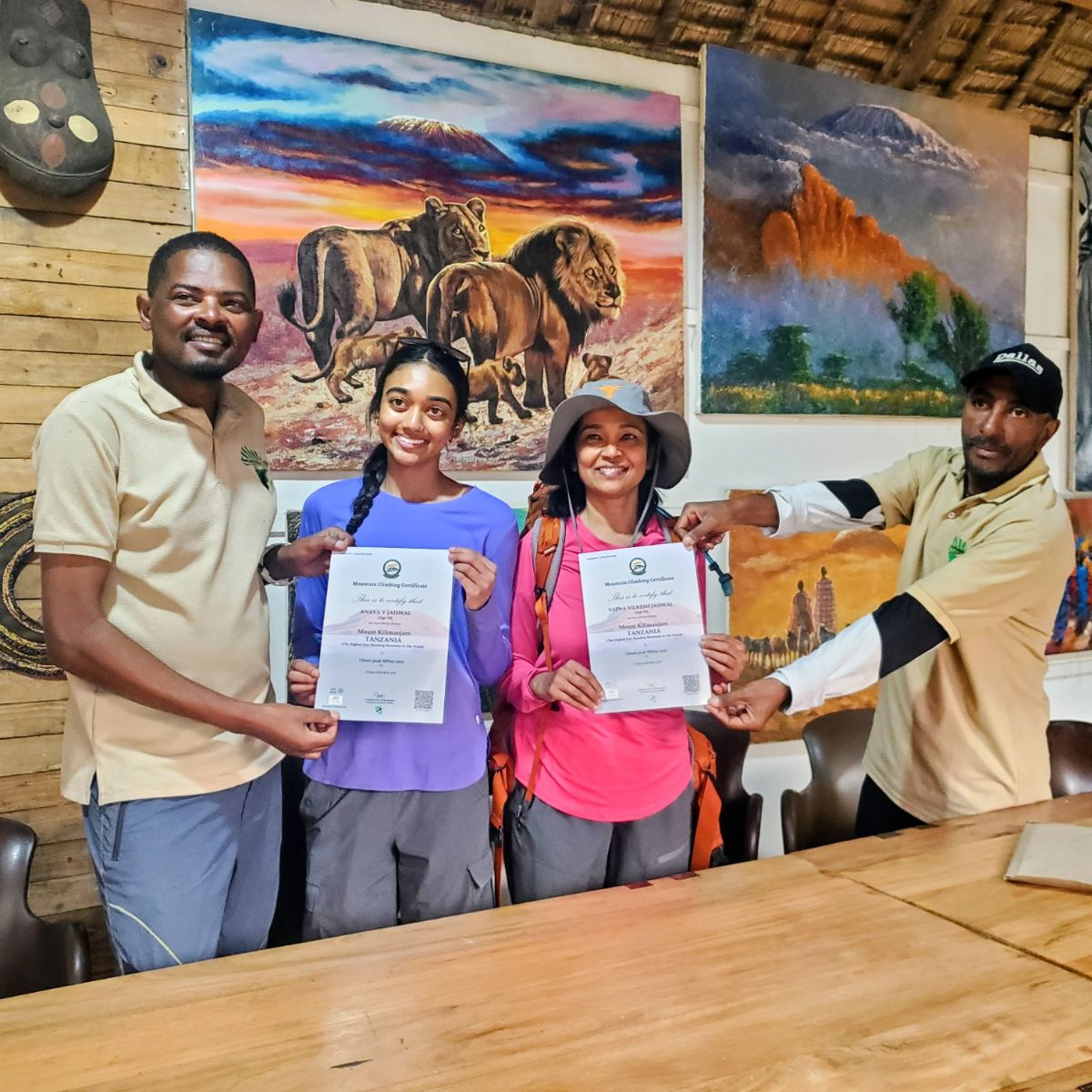
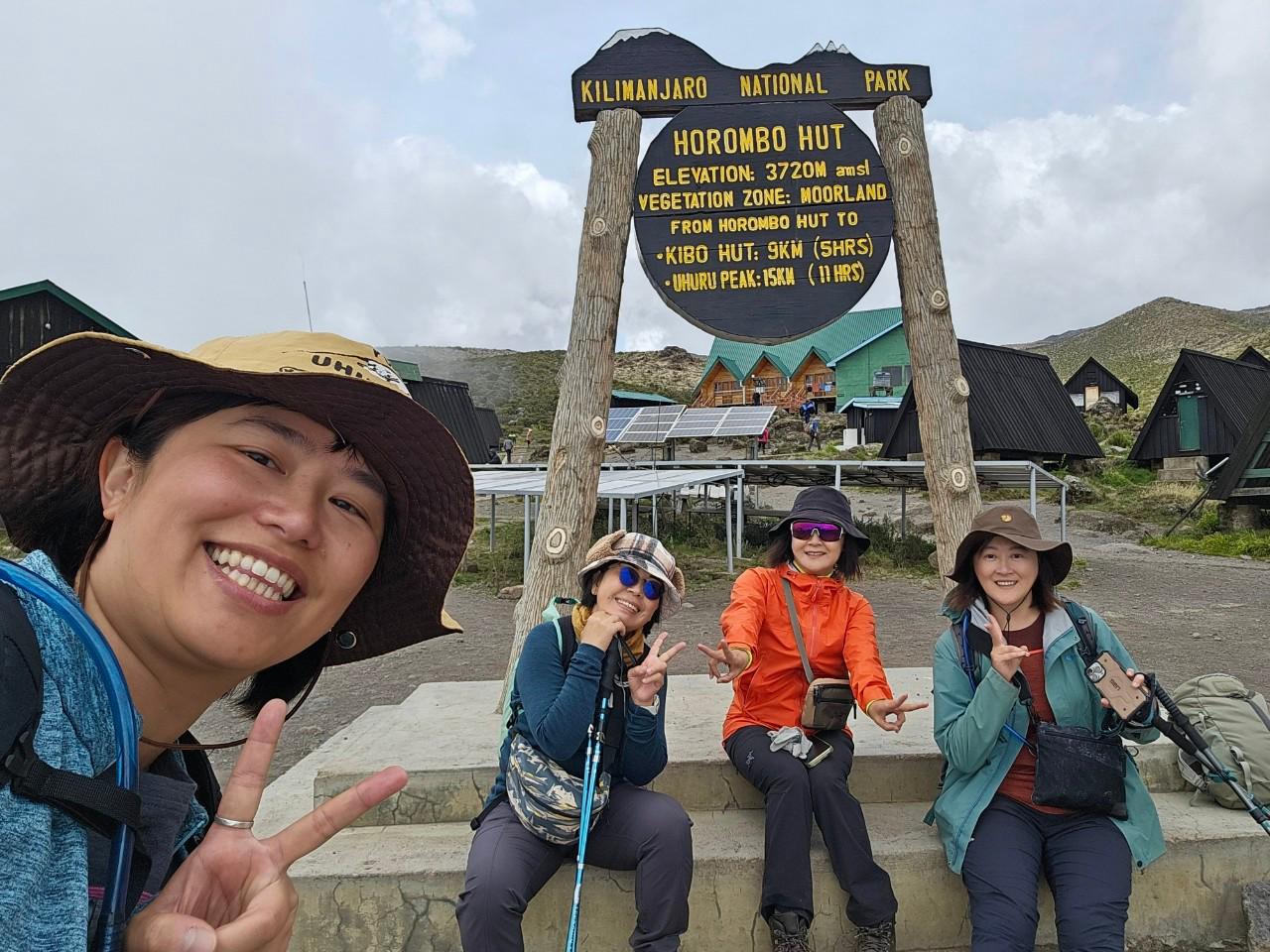
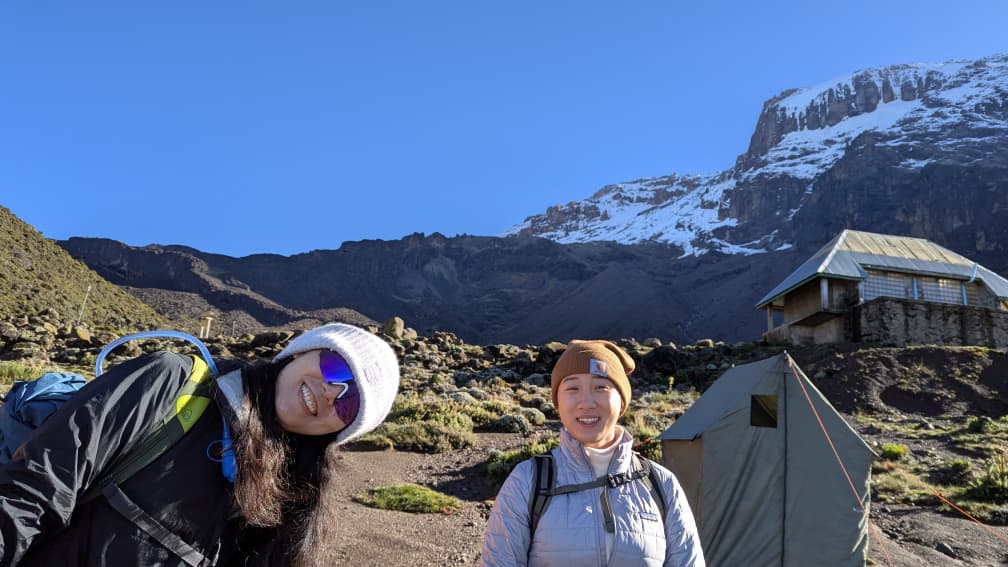
Happy clients at last day after climbing Kilimanjaro and receiving their certificates.
Is Tipping Required on Mount Kilimanjaro?
Tipping on Mount Kilimanjaro is not mandatory, but it
is a widely appreciated tradition and a meaningful way to thank the mountain
crew for the support they provide throughout your trek. Your guides, cooks, and
porters work together each day to make your climb safer, more comfortable, and
more enjoyable. There is no compulsory amount, but there are recommended
tipping guidelines that can help you plan what to give based on the length
of your trek and the size of your crew.
The work of the mountain crew can be physically demanding.
Porters carry equipment and supplies, cooks prepare meals, and guides lead you
along the route while monitoring your progress and supporting you through
challenging sections. Much of this work happens behind the scenes, but it is an
important part of what makes your Kilimanjaro experience possible.
For this reason, we encourage climbers to see tipping not as
an obligation, but as a genuine gesture of appreciation. If your guide
encouraged you when the climb became difficult, your cook prepared a warm meal
after a long day on the trail, or the porters helped keep your camp comfortable
and organized, a tip is a simple way of saying, “Thank you for taking care
of me.”
A tip can also mean much more to the crew than you might
imagine. Behind every person working on the mountain are personal
responsibilities, families, and dreams they are working hard to support.
Receiving a tip after a demanding trek can bring genuine happiness and a strong
sense of appreciation. What may feel like a small gesture to you can help
someone move closer to an important personal goal.
There is no need to feel pressured to give beyond what
you can reasonably afford. The most important thing is that your tip reflects
your appreciation for the service you received. In the next section, we
explain the recommended tipping amounts for each member of your Kilimanjaro
crew, so you can plan your budget with confidence.
Types of Tips on Mount Kilimanjaro
On Mount Kilimanjaro, you may come across two types of
tipping: the General Crew Tip and the Individual Tip. Although both are ways of
showing appreciation, they serve different purposes. The General Crew Tip is
the main and most commonly practiced form of tipping on Kilimanjaro, given to
recognize the combined effort of the entire mountain team at the end of the
trek. The Individual Tip, on the other hand, is an optional extra given
personally to a specific crew member who has gone above and beyond or made a
special difference to your experience.
General Crew Tip
The General Crew Tip is the main tip we recommend climbers
plan for when preparing for a Mount Kilimanjaro trek. It is normally given to
the mountain crew at the end of the climb as a way of appreciating the combined
effort that went into helping you reach the summit.
A Kilimanjaro trek is a team effort. Your lead guide is
responsible for leading and supporting you on the mountain, assistant guides
provide additional support, cooks prepare your meals, and porters carry
equipment and supplies while helping keep the camp running smoothly. Every
member has an important role, and the success of your trek depends on the crew
working together.
For this reason, the General Crew Tip is not meant to reward
only one person. It is a way of saying thank you to the whole team for the
work, care, and effort provided throughout your climb. The amount can vary
depending on the length of your trek, the size of the crew, and the level of
service you received. Later in this guide, we provide recommended tipping
amounts to help you plan your budget.
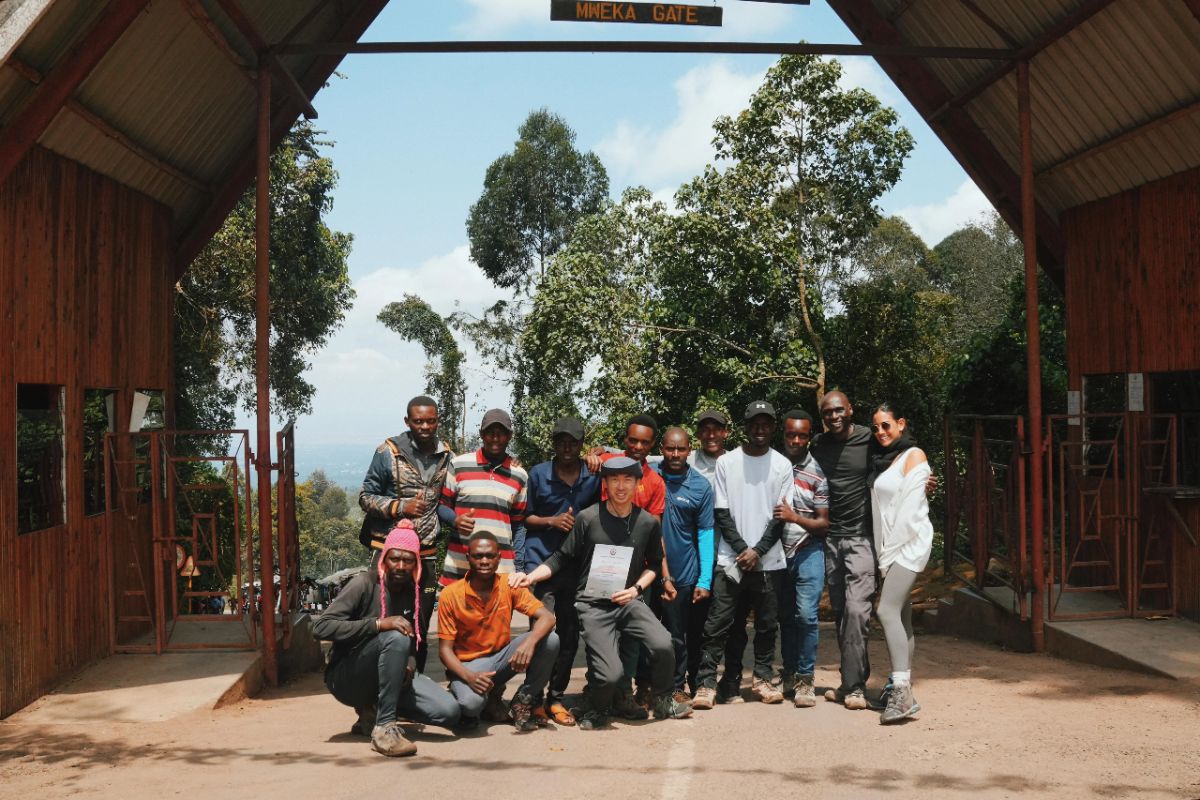
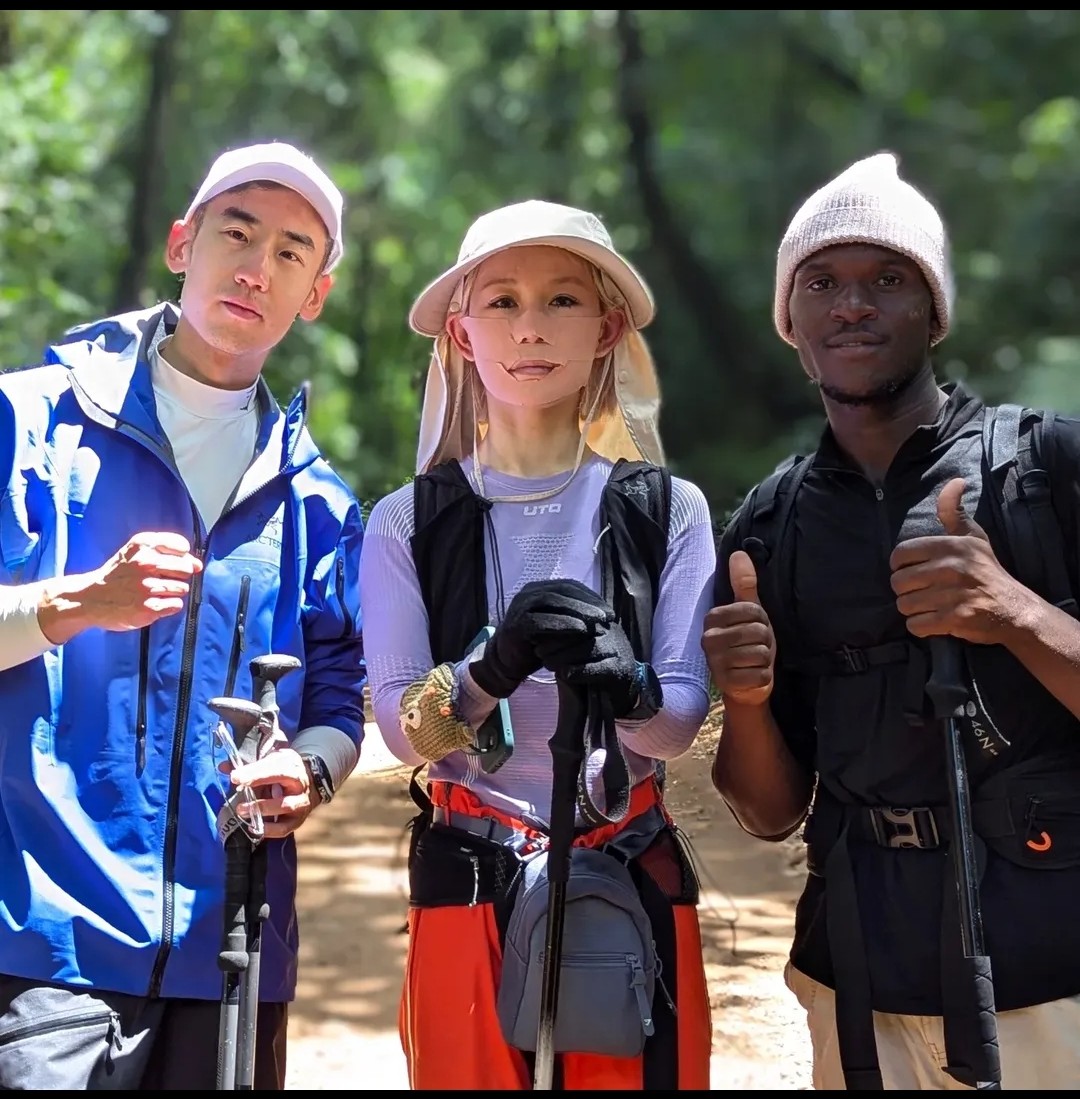
The entire crew after successfully reaching the summit of Kilimanjaro and celebrating with their tip.
Individual Tip
An Individual Tip is an optional extra that you may choose
to give directly to one particular crew member. Sometimes, during a trek, you
may feel that one guide, porter, or cook has made an especially strong
impression on you or has gone beyond what you expected.
For example, a guide may give you extra encouragement during
a difficult section, a porter may go out of the way to assist you, or a cook
may make an extra effort to prepare something you particularly enjoyed. If you
feel that person's effort deserves a personal thank-you, you can give an
additional tip directly to that individual.
This individual tip is separate from the General Crew Tip.
Giving an extra tip to one person does not replace the general tip for the rest
of the crew. It is simply a personal gesture of appreciation, and there is no
obligation to give one. In many cases, this is a private and personal gesture
between the climber and the crew member, especially when a particular person
has made a special impression during the trek. Some climbers may also choose to
give a meaningful personal gift instead of, or in addition to, an individual
cash tip. Depending on what they have available, this could be something useful
such as clothing, shoes, a power bank, or other personal items. What matters
most is the thought behind the gesture and the appreciation it represents.
Note:The General Crew Tip is the
main tip that most climbers give at the end of their Kilimanjaro trek, as it
recognizes the effort of the entire mountain team. An Individual Tip is
completely optional. Even when a crew member goes the extra mile to help you,
encourage you, or take particularly good care of you, that is still part of the
responsibility and service they provide as a member of the mountain crew.
However, sometimes the way someone looks after you, encourages you, or stands
by you during a difficult moment can touch your heart. If you feel personally
grateful for that extra care, you may choose to give that person an additional
tip or a small personal gift as a heartfelt thank-you.
Who Should You Tip on Mount Kilimanjaro?
A Kilimanjaro trek is never a one-person journey. Behind
every successful summit is a dedicated mountain crew working together to
support you from the first day on the trail until you reach the end of your
trek. Your guides, cooks, and porters each have a different
responsibility, but all play an important role in making your experience
possible. The General Crew Tip is mainly intended to recognize the combined
effort of these hardworking team members.
1.Lead Guide
Your lead guide is the person you rely on most throughout
the mountain journey. With experience of the route and the challenges that come
with high-altitude trekking, the guide leads the way, sets a suitable pace,
monitors how you are feeling, and helps you make safe decisions along the
trail. During difficult sections and especially on summit night, the guide's
encouragement and experience can give you the confidence to keep moving when
the climb becomes physically and mentally demanding.
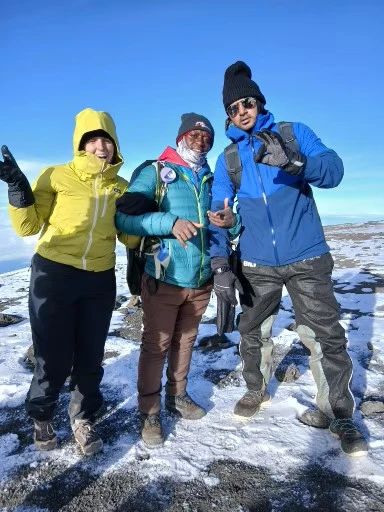
A lead Guide at mount Kilimanjaro top with our customers.
2.Assistant Guide
Assistant guides are an important part of the team,
particularly when a group has several climbers. They work closely with the lead
guide to keep the group supported, organized, and safe. An assistant guide may
stay with a slower climber, help someone through a challenging section, or
provide encouragement when the trail becomes tiring. Having additional
experienced guides means you receive more personal attention throughout the
trek.
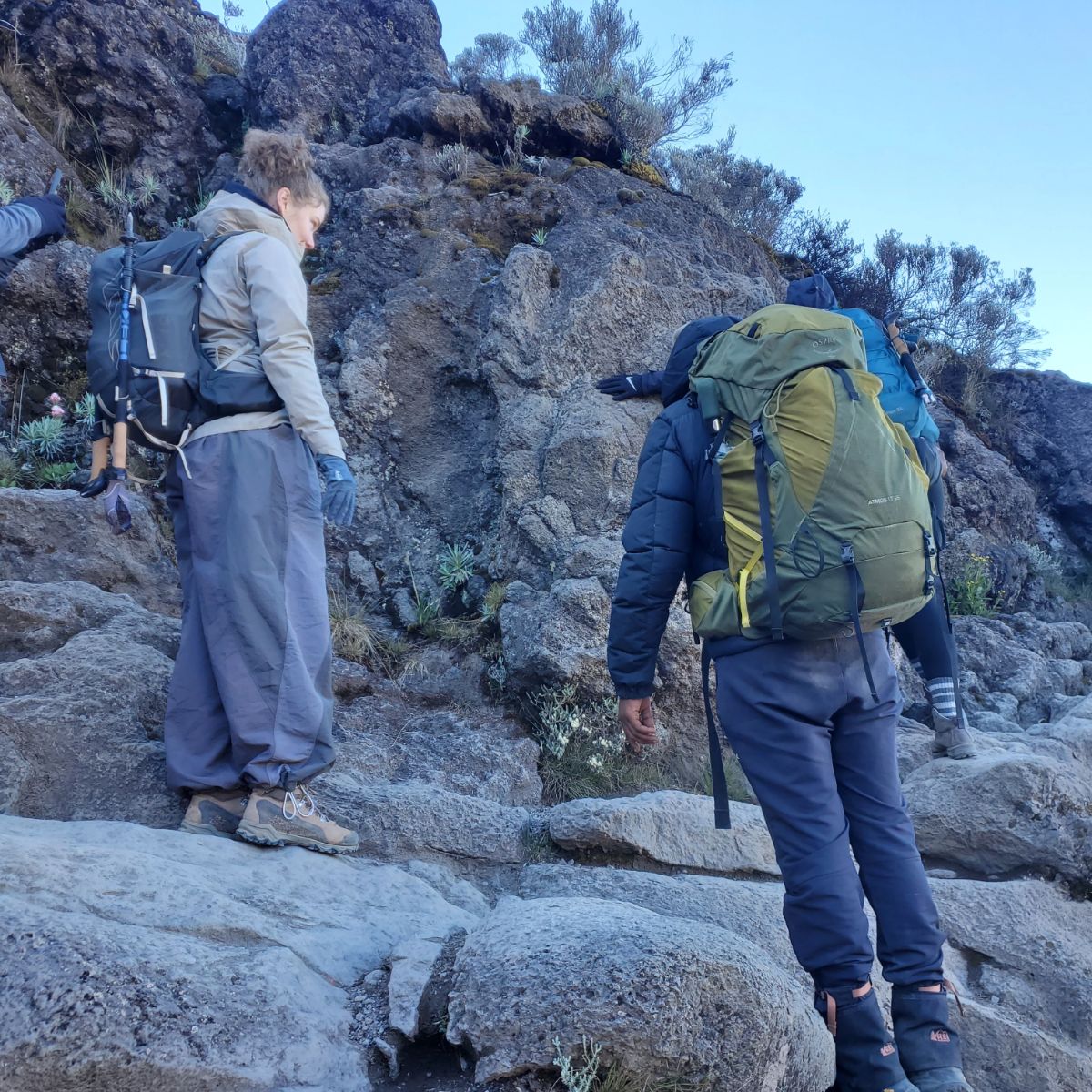
Assistant guide providing support from behind the guests during the climb.
3. Cook
After hours of walking in the cold mountain environment, a
warm, well-prepared meal can feel like a reward in itself. That is where your
mountain cook makes a big difference. From breakfast before an early morning
start to dinner after a long day on the trail, the cook works hard to prepare
nourishing meals that help keep you energized. The cook may not walk beside you
throughout the day, but the effort behind every meal is an important part of
your comfort and strength on the mountain.
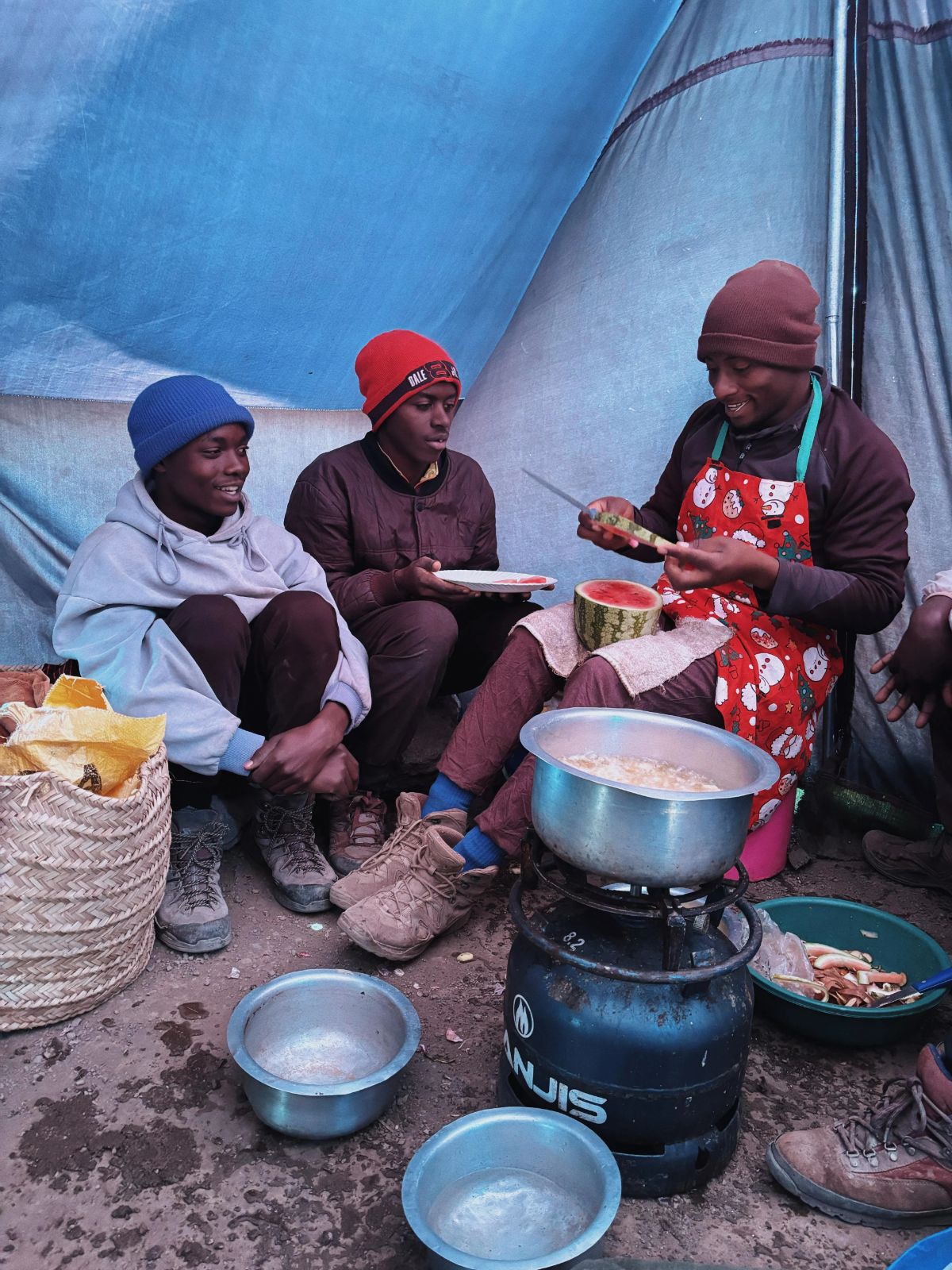
Mount kilimanjaro chef/cook preparing fruits for clients
4. Porters
Porters are among the hardest-working members of the
Kilimanjaro crew. They carry camping equipment, food, supplies, and other
necessary items up and down the mountain, often while walking at a demanding
pace. They also help prepare and organize the camps, allowing you to focus more
on your climb and recovery. Much of their work happens quietly in the
background, but without the porters, a comfortable and well-organized
Kilimanjaro trek would be extremely difficult to achieve.
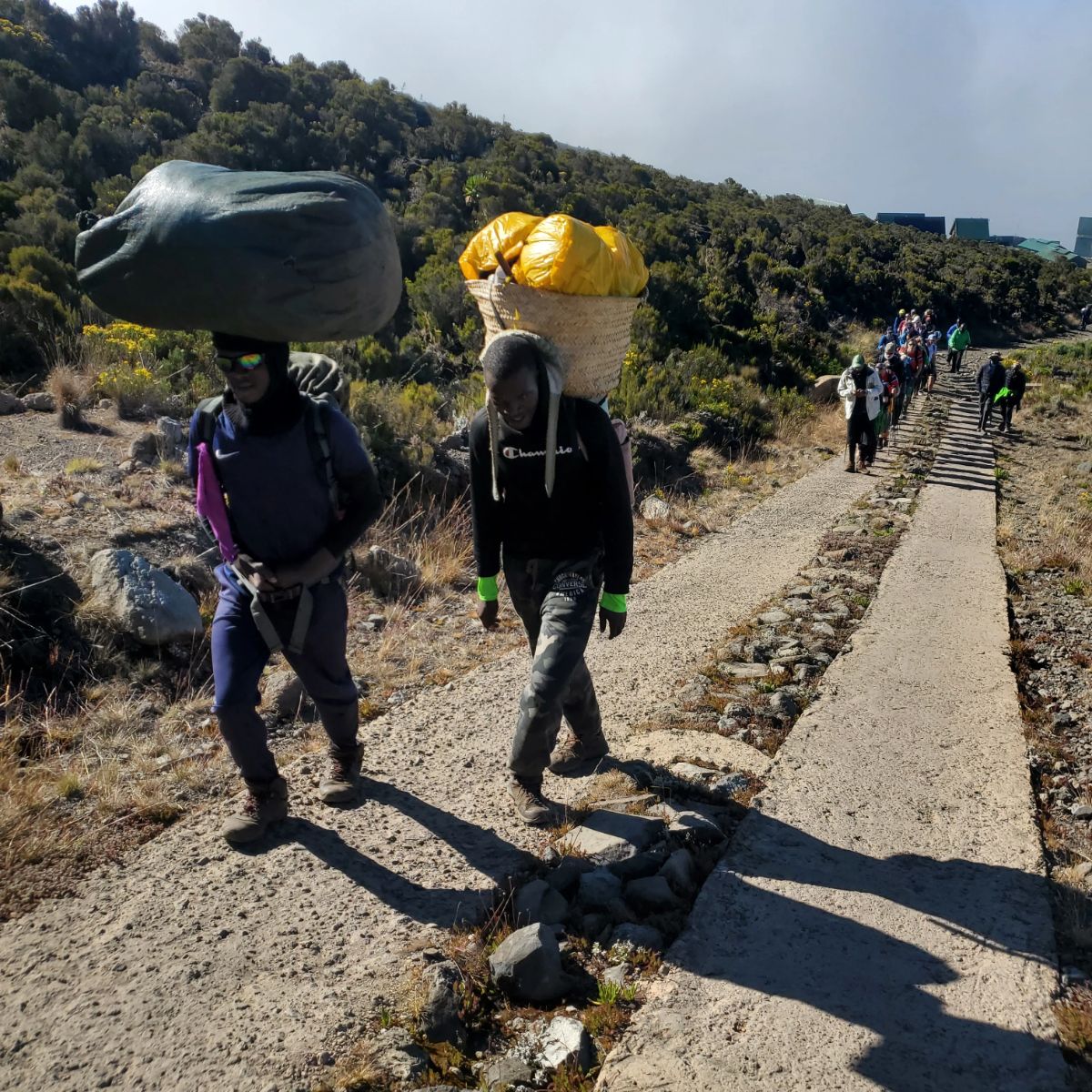
Porters carrying luggage as they head toward the next camp.
Do All Crew Members Matter?
Yes. Every crew member matters because climbing Kilimanjaro is a team effort. Guides lead and support you, assistant guides provide additional care, cooks prepare your meals, and porters carry the equipment and supplies that make the climb possible. Your tip is a way of recognizing the combined effort of the entire crew that supported you throughout the journey to the kilimanjaro summit.
Recommended Tipping on Mount Kilimanjaro
To make tipping easier to plan, we recommend calculating
your General Crew Tip per person, per day. This gives you a simple way
to estimate your tipping budget according to the number of days you will spend
on the mountain. The recommended amounts below are guidelines rather than
compulsory charges, and you can always adjust them depending on the service you
received and what you can comfortably afford.
Crew Member
Amount per Person, per Day (USD)
Lead Guide
20+
Asistant Guide
18+
Cook
15+
Porter
10+
These are recommended guidelines, not compulsory
charges. You can adjust the amount depending on the service you received, the
length of your trek, and what you can comfortably afford.
How to Calculate Your Kilimanjaro Crew Tip
Once you know how many people will be supporting your trek,
calculating your General Crew Tip is quite simple. A good way to plan is
to think about the tip per crew member, per day, then multiply it by the
number of days you will spend on the mountain.
For our recommended guideline, you can use USD 20+ per
day for the Lead Guide, USD 15+ per day for the Cook, and USD 10+ per day for
each Porter. Assistant guides can be included at a similar level to the
lead guide depending on the size and arrangement of your crew.
A Simple Example
Imagine you are taking a 7-day Kilimanjaro trek with:
✓ 1 Lead Guide ✓ 1 Cook ✓ 6 Porters
Your calculation would look like this:
Crew Member
Recommended Daily Tip
Number of Crew
7-Day Total
Lead Guide
$20+
1
$140+
Cook
$15+
1
$105+
Porters
$10+
6
$420+
Estimated Total
8 crew members
$665+
So, in this example, you would plan for at least USD 665
as the General Crew Tip for the 7-day trek.
The “+” means these are starting recommendations, not
maximum amounts. If you receive excellent service and feel the crew has
gone beyond your expectations, you are welcome to give more. Likewise, the
final amount can be adjusted according to your budget and the quality of
service you received.
If you are travelling as part of a group, the General
Crew Tip is normally collected together and presented as one combined tip
on behalf of the group. This makes it easier to recognize the effort of the
entire mountain team rather than having each climber hand over separate
amounts. The total can then be shared among the climbers according to the
agreed contribution.
It is also important to understand that the number of
crew members may change depending on the size of the group. A larger group
generally requires more guides and porters to provide proper support, while a
smaller group may need fewer crew members. This means your total tipping amount
may be higher or lower depending on how many people are supporting your particular
trek. Your exact crew size should be confirmed before you begin the climb, so
you can plan your tip accordingly.
Approximate Crew Size Per Trek
The size of a Kilimanjaro crew can vary depending on several
factors, including the route, group size, number of trekking days, and level of
support required. A longer trek or a larger group may require a different crew
arrangement, while some routes have different accommodation and logistical
needs.
To give you a simple idea of how crew numbers may be
arranged, we have provided the following approximate crew ranges for
different Kilimanjaro trekking arrangements, including camping and hut
accommodation. The exact crew size may vary depending on your route, group
size, number of trekking days, and the level of support required. These figures
are intended as a general guide, while your exact crew size will be confirmed
before your trek.
1. Porters
The number of porters needed on Kilimanjaro depends on the accommodation style, route, and whether you are joining a group or climbing privately. Camping routes generally require more porters because they carry tents, camping equipment, food, and other supplies, while the Marangu Route requires fewer porters because climbers stay in mountain huts.
Whether you choose camping or hut accommodation, the number of cooks is based on the total number of clients, not the accommodation type. One cook can comfortably prepare and serve meals for up to 8 clients. When the group exceeds 8 clients, an additional cook is added to maintain good meal preparation, food quality, and efficient service throughout the trek.
Number of Clients
Number of Cooks
1–8 clients
1 Cook
9–16 clients
2 Cooks
17–24 clients
3 Cooks
25–32 clients
4 Cooks
Simply!: For every additional 8 clients, one additional cook is added to ensure meals are prepared efficiently, served on time, and maintain the expected standard throughout the trek.
3.Guide-to-Client
Ratio
There are two ways to determine the number of guides: a client may request and pay for an additional guide for extra personal support, but the minimum guide requirement is also determined by park regulations and group size. For clarity, the chart below shows the park-required guide-to-client ratio that applies to the group size, regardless of whether the trek is private or group joining.
Group Size
Park Guide Requirement
1 pax
1 Guide
2–3 pax
2 Guides
4–5 pax
3 Guides
6–7 pax
4 Guides
8–9 pax
5 Guides
10–11 pax
6 Guides
Important!: These numbers represent the minimum guide
allocation based on the applicable park requirements. If you prefer additional
personal attention, you may request and pay for an extra guide beyond the
required ratio. This arrangement applies to both camping and hut accommodation.
How Should You Give the Tip?
The best time to give the Crew Tip is at the end of
your Kilimanjaro trek, after you have completed the climb and had the chance to
experience the full support of your mountain crew. This allows you to
appreciate the team's effort from the first day on the trail through to the end
of your journey.
If you are travelling as a group, it is usually easier for
the climbers to collect the General Crew Tip together and present it as one
contribution on behalf of everyone. This keeps the process simple and makes
it clear that the tip is meant to recognize the effort of the whole crew.
You can prepare the tip in separate envelopes or
organize it according to the way your operator handles crew tipping. It is a
good idea to have the correct amount ready before the final day so there is no
need to look for cash at the last minute.
When giving the tip, take a moment to thank the crew
personally. A few sincere words, a handshake, or simply telling them how
much you appreciated their support can make the moment much more meaningful.
For many crew members, knowing that you noticed and valued their hard work is
just as important as the money itself.
For an Individual Tip, the approach is different. If
you decide to give an extra tip or a personal gift to a particular guide, cook,
or porter who made a special difference to you, you can give it directly and
privately to that person. This remains completely optional and is separate from
the General Crew Tip.
Tipping in USD, Tanzanian Shillings, or Euros
You can give your Kilimanjaro crew tip in US Dollars
(USD), Tanzanian Shillings (TZS), or Euros (EUR). All three currencies are
acceptable, so you do not need to worry if you do not have US Dollars with you.
However, USD is the most commonly used and convenient currency for tipping
on Kilimanjaro, while Tanzanian Shillings are also a good choice as they
are the local currency.
If you prefer to tip in Tanzanian Shillings or Euros, simply
make sure the amount is equivalent to the recommended USD value. For example,
if your recommended tip is USD 20 per day, you can convert that amount
into TZS or EUR using a reasonable current exchange rate. This ensures that the
crew receives a similar value regardless of the currency you choose.
Which Currency Should You Use?
USD: The easiest and most widely used option for
Kilimanjaro crew tipping. TZS: A convenient local option that crew members can use directly in
Tanzania. EUR: Also acceptable, especially if you already have Euros. Just make
sure the exchange rate used gives the crew a fair equivalent value.
Which ever currency you choose, we recommend preparing your
tip before the end of your trek. Carry clean notes in smaller
denominations where possible, as this makes it easier to organize and
distribute the tip among the crew.
The currency is less important than the appreciation
behind the gesture. Whether you give USD, Tanzanian Shillings, or Euros,
what matters most is that your tip fairly reflects the hard work and support
you received throughout your Kilimanjaro journey.
How to Keep Your Kilimanjaro Tipping Costs Reasonable
After years of climbing Mount Kilimanjaro ourselves and guiding many climbers to the summit, we understand that tipping can sometimes feel confusing, especially when you are trying to plan your overall trek budget. We have seen what works well for both climbers and mountain crews, so we have put together a few practical ways to keep your tipping costs reasonable while still giving a fair and meaningful tip to the crew who support you throughout the climb.
1.Consider Group Climbing Instead of Private Climbing.
Your group size can have a significant impact on the amount
you contribute toward the crew tip. As the number of clients increases, some
crew members can serve the entire group, while others are added only according
to the actual needs of the group.
For example, a group of 7 clients may have 3
porters and 1 cook. The cook prepares meals for all 7 clients, so the tip
for the cook is shared among all seven people rather than being paid by one
client alone. The same principle applies to other shared crew members.
This means that joining a group climb can make the tip
contribution per person more reasonable, because the cost associated with
shared crew members is divided among more clients.
The goal is not to reduce the crew below what is needed, but
to keep the crew size appropriate to the group size, luggage, and
operational requirements. This allows you to maintain proper support while
keeping the individual tipping contribution manageable.
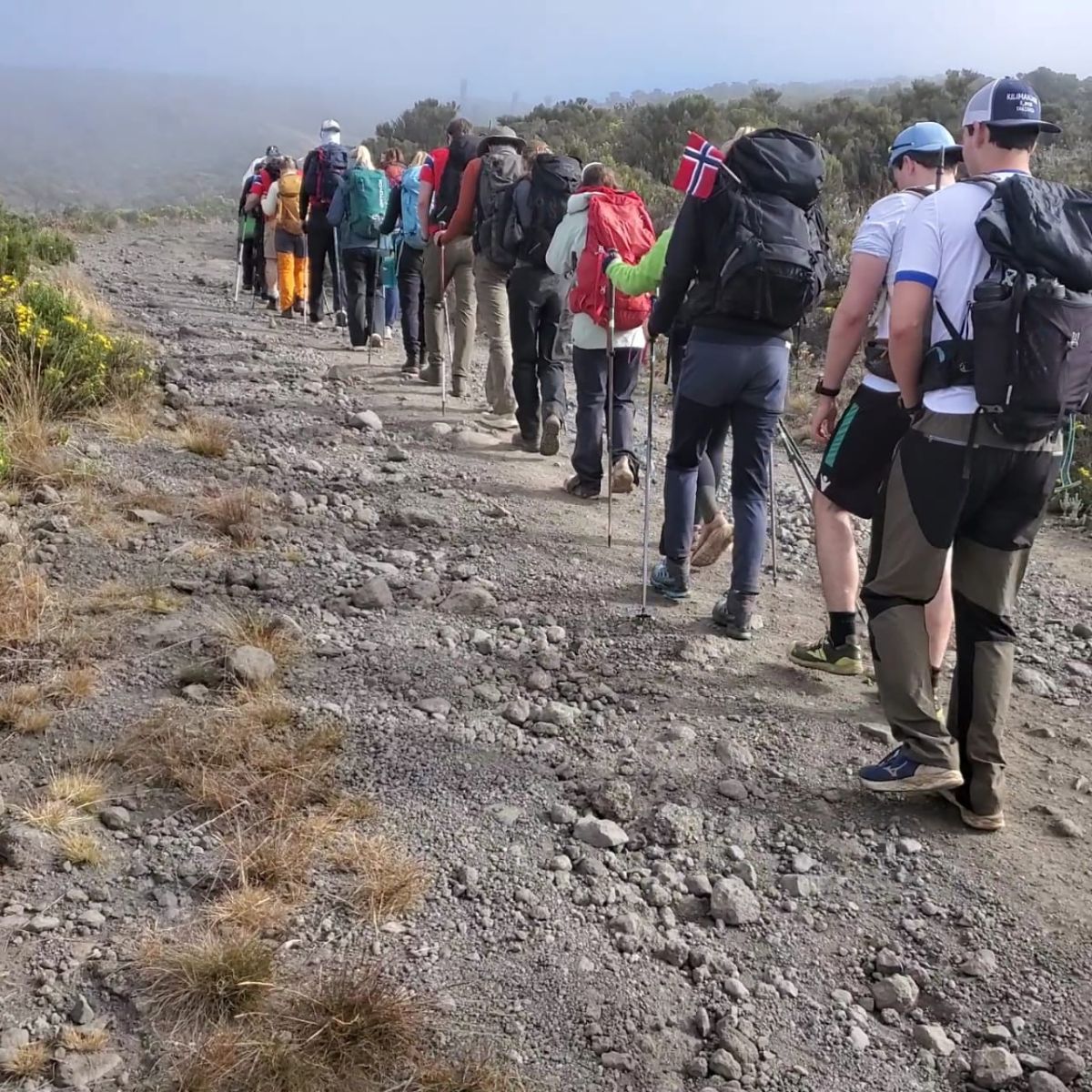
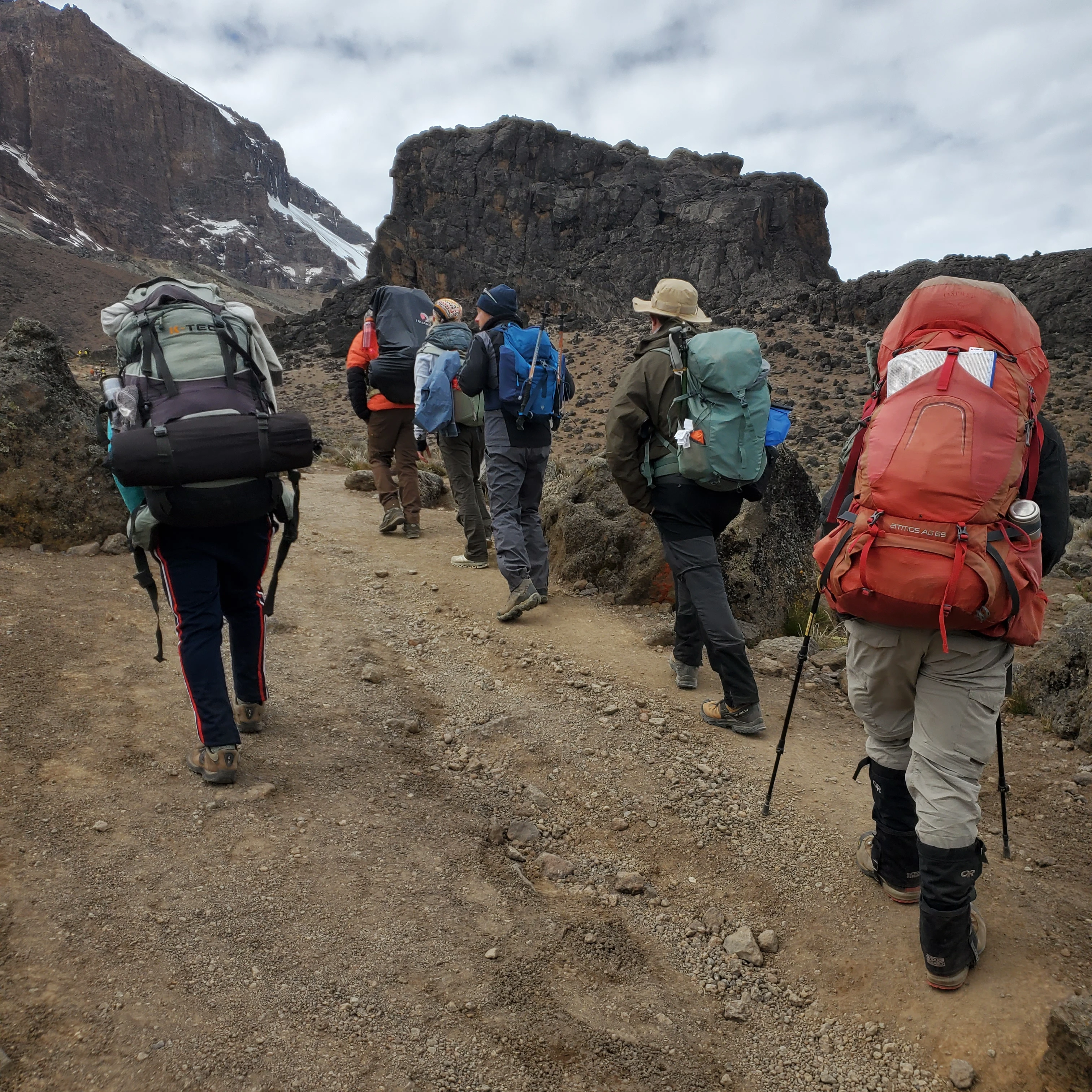
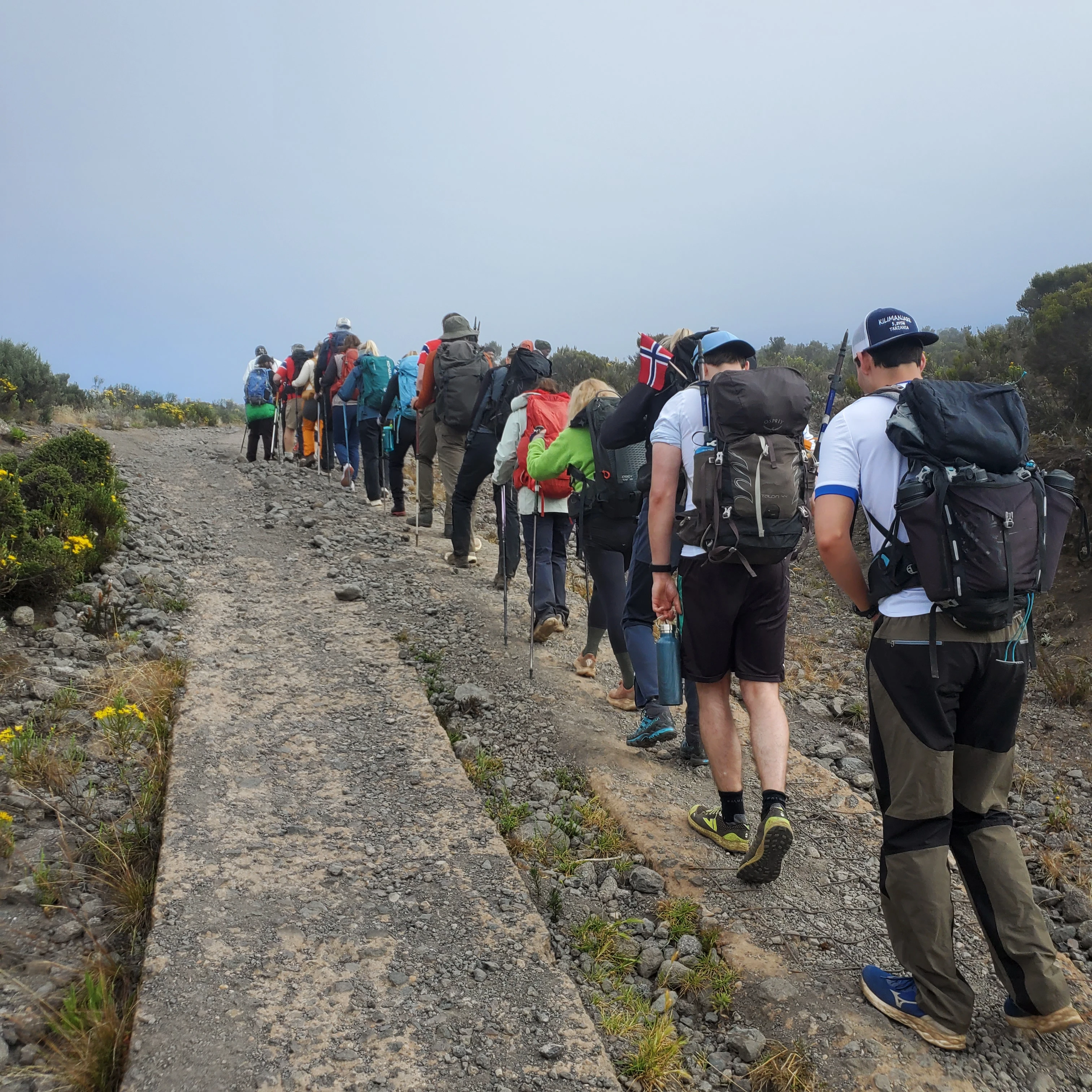
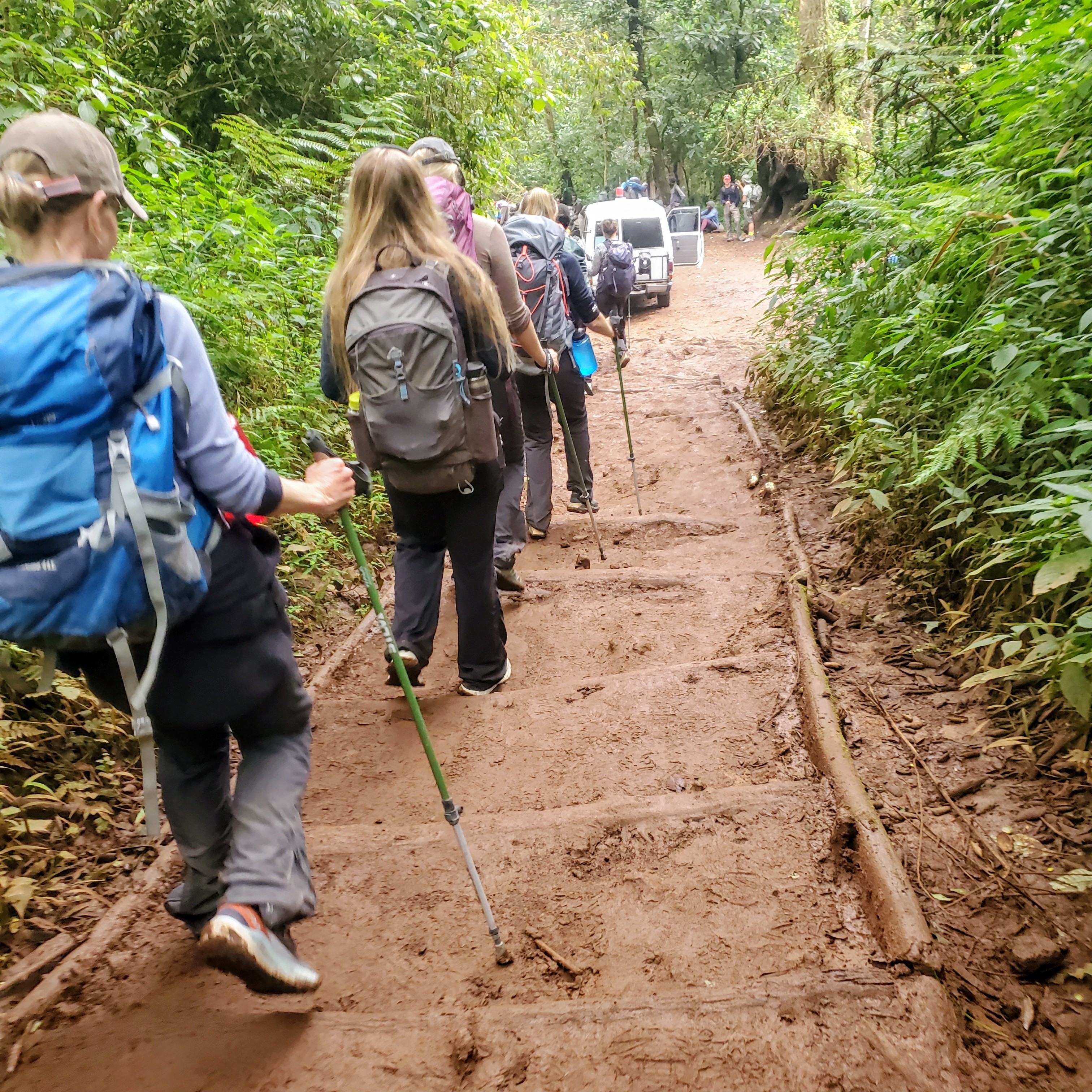
A group hiking together and enjoying the Kilimanjaro experience.
2. Choose a Clear Guide-to-Client Ratio
A clear guide-to-client ratio helps keep the crew size
appropriate without adding unnecessary guides. The number of guides should
increase according to the group size and the level of support required during
the climb.
For example, with a small group, fewer guides may be
required, while larger groups require additional guides to maintain proper
supervision, safety, and personalized support. Having a clear ratio from the
beginning also allows you to understand the expected crew size and plan your
tip accordingly.
The key is to use a consistent and transparent guide
ratio rather than adding guides without a clear operational reason. This
keeps the climb well supported while making the overall tipping cost more
predictable for each client.
3. Manage Porter Numbers According to Luggage
The number of porters should be based on the actual
amount of luggage that needs to be carried, rather than simply assigning a
fixed number of porters to every group.
Under Kilimanjaro National Park regulations, a porter is
allowed to carry a maximum of 20 kg of luggage during the climb. This
means that properly weighing and organizing the group’s luggage can help keep
the number of porters appropriate without compromising porter welfare or
safety.
For example, if a group has luggage that can be safely
distributed within the permitted weight limit, there may be no need to add
extra porters unnecessarily. On the other hand, if the total luggage exceeds
what the existing porters can legally and safely carry, additional porters must
be added.
The best approach is therefore to pack efficiently, weigh
the luggage, and plan the porter team according to the actual load. This
can help keep the overall crew size reasonable and, as a result, make the
individual tipping contribution more manageable while respecting Kilimanjaro's
porter regulations.
4. Choose a Suitable Trek Duration.
As if you are an experienced hiker with good physical fitness, choosing a shorter Kilimanjaro route can naturally help keep your overall tipping cost reasonable, since tips are commonly calculated based on the number of trekking days. For example, a 5-day climb will generally require fewer days of crew support than a 7-day climb.
However, the decision should always be based on your fitness, hiking experience, route difficulty, and ability to acclimatize, not tipping costs alone. A longer itinerary is often recommended for climbers who need more time on the mountain to adjust and increase their chances of reaching the summit.
When Should You Give the Tip?
The tip is normally given on the last day of the climb,
when your Kilimanjaro adventure is coming to an end. This is the best time to
thank the crew for the support, care, and hard work provided throughout the
trek.
At the Final Camp.
You can give the tip at the final camp in the morning, before continuing
with the descent. Once you have decided on the amount, you can let the crew
know how much you would like to give. This is often a very special moment on
the mountain. After several days of walking, camping, cooking, carrying
luggage, and supporting you toward the summit, the crew may celebrate with singing,
dancing, and lots of excitement. It creates a memorable way to say thank
you and goodbye before everyone continues down the mountain.
After Returning to Town.
If you would rather not carry a large amount of cash while trekking, you can
also wait until you return to town. Once you are back in Moshi, you can visit a
bank or ATM and withdraw the amount you have decided to give. You can
then arrange to meet the crew at our office or at your hotel, where you
can hand over the tip personally.
This option can be particularly convenient if you prefer to
withdraw Tanzanian Shillings after returning from the mountain, or if you
simply feel more comfortable handling cash in town.
Whichever option you choose, the most important thing is
that the tip is given at the end of the climb and that the crew understands the
amount being shared with them. It is your personal way of showing
appreciation for the people who helped make your climb safe, comfortable, and
successful.
Frequently Asked Questions
Quick expert insights regarding the routes and matching conditions specified above.
1. Is tipping required on Mount Kilimanjaro?
No. Tipping is not mandatory, but it is a common tradition and a meaningful way to appreciate the crew for their hard work and support.
2. How much should I tip the Kilimanjaro crew?
There is no fixed amount. The recommended amount depends on the crew member, group size, number of trekking days, and the level of service provided.
3. Who should receive the tip?
The tip is shared among the crew who supported your climb, including guides, cooks, and porters.
4. Should I tip the whole crew or individual crew members?
You can give one tip to the crew as a whole. The amount can then be distributed among the team according to the agreed arrangement.
5. When should I give the tip?
The tip is normally given on the last day of the climb, either at the final camp in the morning or after returning to town.
6. Can I give the tip after returning to Hotel/office?
Yes. If you prefer not to carry cash on the mountain, you can withdraw money from a bank or ATM after returning to town and give the tip at our office or your hotel.
7. Can I tip in US Dollars?
Yes. US Dollars are widely accepted for tipping on Kilimanjaro.
8. Can I tip in Tanzanian Shillings?
Yes. Tanzanian Shillings are also perfectly acceptable and can be convenient if you withdraw cash locally.
9. Can I tip in Euros?
Yes. Euros can also be used, although USD or Tanzanian Shillings are generally more convenient for the crew.
10. Should I give the tip directly to each crew member?
You can, but it is usually easier to give the total tip through the established crew tipping arrangement so it can be shared fairly among the team.
11. Does the number of people in my group affect the tip?
Yes. A larger group can reduce the individual contribution because some crew members, such as a cook, serve the entire group and the tip is shared among more clients.
12. Does a private climb cost more in tips?
It can. With a private climb, the crew is supporting fewer clients, so each client may contribute more toward the overall crew tip.
13. Can joining a group climb reduce my individual tip cost?
Yes. Shared crew members can spread the tipping contribution across more clients, making the amount per person more manageable.
14. How many guides are assigned to a group?
The number of guides depends on the group size and the required guide-to-client ratio. A clear ratio helps keep crew numbers appropriate and tipping costs predictable.
15. How many porters will be assigned to my group?
The number of porters depends mainly on the group size and the amount of luggage that needs to be carried. Porters should not be added or reduced simply to change the tip.
16. How much luggage can one porter carry?
A porter is allowed to carry a maximum of 20 kg of luggage during the climb under the applicable Kilimanjaro regulations.
17. Can I reduce the number of porters by packing lighter?
Yes. Packing efficiently and keeping luggage within reasonable limits can help keep the required number of porters appropriate while respecting the permitted weight limit.
18. Does camping or hut accommodation change the number of cooks?
No. The cook-to-client ratio remains the same for both camping and hut accommodation. One cook can prepare meals for up to 8 clients, with additional cooks added for larger groups.
19. Is tipping included in the price of my Kilimanjaro package?
No. Tips are normally not included in the package price because tipping is a personal gesture and the amount is decided by the client.
20. Do I have to tip if I am not satisfied with the service?
Tipping is voluntary. If you have concerns about the service, you can discuss them with us so the matter can be properly addressed.
21. What is the best way to prepare my tip?
Plan your tipping budget before the climb and carry the amount in clean, suitable notes where possible. Alternatively, you can withdraw cash after returning to town.
22. Should I tell the crew how much I am giving?
Yes. When giving the tip, it is helpful to clearly communicate the total amount so the crew understands what has been given.
23. Is there a special tipping ceremony on Kilimanjaro?
There can be. At the final camp, the crew may celebrate the end of the climb with singing, dancing, and congratulations. It is often a joyful moment to thank the team before saying goodbye.
24. What if I am unsure how much to tip?
If you are unsure about the recommended tipping amount, contact us via WhatsApp or email and we will be happy to guide you on the current recommended tipping ranges. The final amount is always your choice and should reflect your experience and appreciation.
Plan Your Tanzania Safari With Local Experts
Discover Serengeti, Ngorongoro, Tarangire, Zanzibar and Kilimanjaro with tailor-made adventures designed natively by Africa Safari Peak.